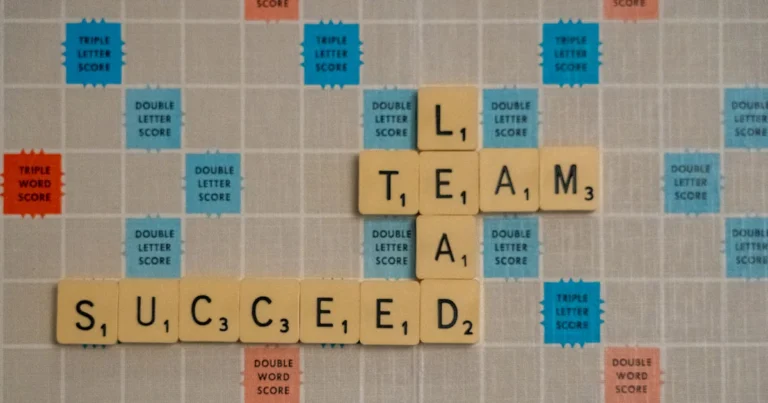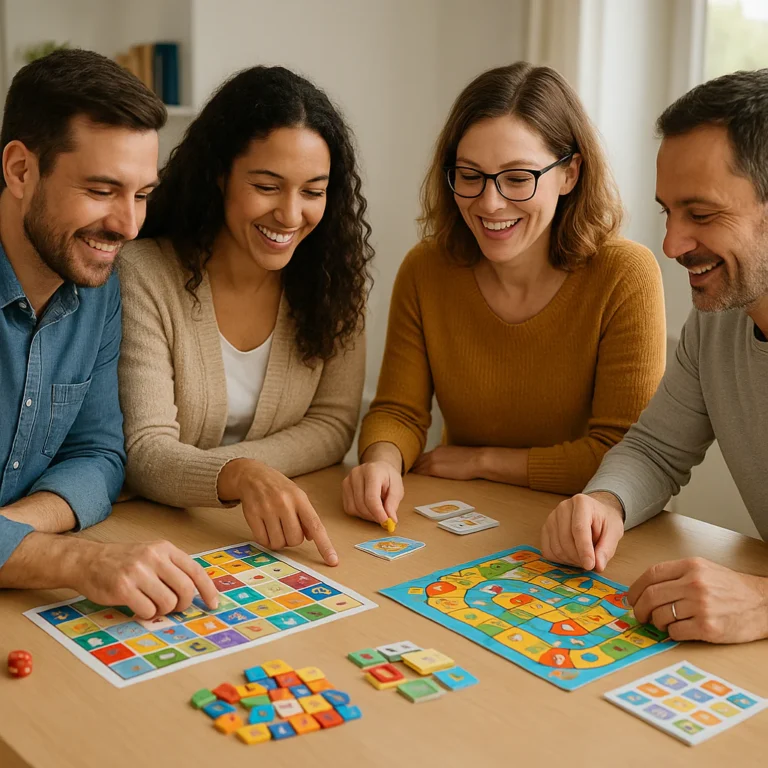


Imagine a team stuck in a communication rut, struggling to collaborate on a project. Now picture them laughing, strategizing, and solving problems together—all through a game. Sounds too good to be true? At Learning Game™, we’ve seen firsthand how learning games can transform soft skills training, especially for teamwork and communication. But can these playful tools really build the interpersonal skills that matter most in school, work, and life? Spoiler alert: they absolutely can—and we’ll show you exactly how with proven games, expert tips, and real success stories.
In this article, we’ll unpack the science behind learning games, reveal the top 7 soft skills you can teach through play, and guide you step-by-step on implementing these games effectively. Whether you’re an educator, parent, or team leader, get ready to discover how to turn fun into functional skills that stick.
Key Takeaways
- Learning games engage learners actively, making soft skills like teamwork and communication easier to grasp and retain.
- Soft skills differ from hard skills and require interactive, reflective methods—games fit the bill perfectly.
- Top games like Minecraft: Education Edition, Keep Talking and Nobody Explodes, and The Mind foster collaboration, empathy, and leadership.
- Digital and traditional games both have unique strengths; combining them maximizes impact.
- Measuring soft skills growth involves observation, feedback, and performance metrics—not just test scores.
- Successful implementation includes clear objectives, facilitation, and debriefing to reinforce learning.
Ready to level up your soft skills training? Check out these top learning games and resources:
- Minecraft: Education Edition: Amazon | Official Site
- Keep Talking and Nobody Explodes: Amazon | Steam
- The Mind Card Game: Amazon | Official Site
Dive in and discover how to make learning soft skills as fun as your favorite game!
Table of Contents
- Quick Tips and Fun Facts About Learning Games and Soft Skills 🎯
- The Evolution of Learning Games: From Playtime to Soft Skills Training 🎲
- What Exactly Are Soft Skills? Understanding Teamwork, Communication, and Beyond 🤝
- Soft Skills vs. Hard Skills: Why Teamwork and Communication Need a Different Approach ⚖️
- Top 7 Essential Soft Skills You Can Teach with Learning Games 🏆
- 7 Proven Learning Games That Boost Teamwork and Communication Skills 🎮
- How Learning Games Make Soft Skills Stick: The Science Behind the Fun 🧠
- Step-by-Step Guide: Implementing Learning Games for Effective Soft Skills Training 🚀
- Leveraging Technology: Digital and Online Learning Games for Soft Skills Development 💻
- Measuring Success: How to Track the Impact of Learning Games on Soft Skills Growth 📊
- Real-Life Success Stories: Companies and Schools Winning with Learning Games 🏅
- The Ripple Effect: How Soft Skills Training Transforms Teams and Workplaces 🌊
- Common Challenges and How to Overcome Them When Using Learning Games for Soft Skills 🛠️
- Tips and Tricks: Maximizing Engagement and Learning Outcomes with Games 🎉
- You May Also Like: Related Resources and Tools for Soft Skills Development 📚
- Conclusion: Can Learning Games Truly Teach Teamwork and Communication? 🤔
- Recommended Links: Dive Deeper into Soft Skills and Learning Games 🌐
- FAQ: Your Burning Questions About Learning Games and Soft Skills Answered 🔥
- Reference Links: Trusted Sources and Studies on Learning Games and Soft Skills 📖
Quick Tips and Fun Facts About Learning Games and Soft Skills 🎯
- Did you know that soft skills are now considered just as important as hard skills in many industries? 🤔 LinkedIn’s 2023 Workplace Learning Report found that 57% of senior leaders believe soft skills are more important than hard skills.
- Learning games aren’t just for kids! Adults learn best through active participation and engagement, and games provide the perfect platform. 🕹️
- Think beyond Monopoly! Board games, card games, video games, and even role-playing games can be adapted to teach valuable soft skills. 🎲
- The key is to make it fun! When people are engaged and enjoying themselves, they’re more likely to retain information and develop new skills. 😄
The Evolution of Learning Games: From Playtime to Soft Skills Training 🎲
Remember the days of Oregon Trail and Number Munchers? 💾 What we now call “edutainment” has been around for decades, but the potential of learning games has exploded in recent years.
From Simple Concepts to Complex Skills
Early learning games focused on basic skills like math and spelling. Today, sophisticated game mechanics and immersive simulations allow us to teach complex soft skills like:
- Negotiation and persuasion
- Conflict resolution
- Emotional intelligence
- Leadership and delegation
The Rise of Digital Learning Games
The digital revolution has transformed learning games, making them more accessible, engaging, and data-driven.
- Educational apps like Khan Academy and Duolingo offer personalized learning experiences.
- Online multiplayer games like Minecraft: Education Edition promote collaboration and problem-solving.
- Virtual Reality (VR) and Augmented Reality (AR) technologies create immersive simulations for practicing real-world skills.
At Learning Game™, we’ve seen firsthand how digital learning games can transform education. Our article on Learning Game explores this exciting field in more detail.
What Exactly Are Soft Skills? Understanding Teamwork, Communication, and Beyond 🤝
Soft skills are the interpersonal and social-emotional skills that enable us to interact effectively with others, navigate complex situations, and thrive in diverse environments. They are the “human” skills that complement our technical abilities.
Key Characteristics of Soft Skills:
- Transferable: Applicable across various roles and industries.
- Difficult to Measure: Often assessed through observation and subjective feedback.
- Developed Over Time: Require ongoing practice and reflection.
Examples of Soft Skills:
- Communication: Active listening, clear articulation, non-verbal cues, written correspondence.
- Teamwork: Collaboration, cooperation, conflict resolution, active participation.
- Problem-Solving: Critical thinking, creativity, adaptability, resourcefulness.
- Leadership: Delegation, motivation, decision-making, mentorship.
- Time Management: Organization, prioritization, goal-setting, productivity.
Soft Skills vs. Hard Skills: Why Teamwork and Communication Need a Different Approach ⚖️
While hard skills are essential for performing specific tasks, soft skills are what make us effective employees, collaborators, and leaders.
| Feature | Hard Skills | Soft Skills
Conclusion: Can Learning Games Truly Teach Teamwork and Communication? 🤔

After diving deep into the world of learning games and soft skills, here’s the scoop: YES, learning games can be powerful tools to teach and enhance teamwork, communication, and a whole suite of essential soft skills.
Our experience at Learning Game™ and insights from educators, parents, and kids alike confirm that when thoughtfully designed and implemented, learning games:
✅ Foster active participation and real-time feedback
✅ Create safe environments for practicing communication and collaboration
✅ Engage learners emotionally and cognitively, making lessons stick
✅ Encourage reflection and continuous improvement through gamified progress tracking
However, it’s not magic. The best results come from blending games with guided facilitation, clear objectives, and ongoing assessment. Games like Minecraft: Education Edition, Keep Talking and Nobody Explodes, and The Mind have shown remarkable success in building teamwork and communication skills.
We also learned that digital platforms and VR can amplify these benefits, but traditional board and role-playing games remain invaluable for face-to-face interaction and empathy-building.
So, if you’re wondering whether investing time and resources into learning games for soft skills is worth it — it absolutely is! Just remember to choose games aligned with your goals, customize them to your audience, and combine them with thoughtful debriefs and feedback sessions.
Ready to level up your soft skills training? Keep exploring, experimenting, and most importantly, have fun while you learn! 🎉
Recommended Links: Shop the Best Learning Games and Resources 🌐
- Minecraft: Education Edition:
Amazon | Official Website - Keep Talking and Nobody Explodes:
Amazon | Steam - The Mind Card Game:
Amazon | Official Website - Kahoot! (Educational Game Platform):
Official Website - Books on Soft Skills and Learning Games:
FAQ: Your Burning Questions About Learning Games and Soft Skills Answered 🔥

How can learning games improve teamwork and collaboration in the workplace?
Learning games simulate real-world scenarios that require players to communicate, delegate, and solve problems together. By engaging in these interactive challenges, employees practice active listening, conflict resolution, and shared decision-making in a low-risk environment. For example, games like Keep Talking and Nobody Explodes force players to rely on clear communication under pressure, mirroring workplace dynamics. This hands-on experience builds trust and improves group cohesion, which translates directly to better teamwork on the job.
What types of learning games are most effective for teaching communication skills?
Games that require verbal and non-verbal communication, such as cooperative board games (Pandemic, Forbidden Island), role-playing scenarios, and digital escape rooms, excel at teaching communication. These games encourage players to articulate ideas clearly, listen actively, and interpret cues from teammates. Additionally, story-driven games with branching dialogues help learners practice empathy and perspective-taking, key components of effective communication.
Read more about “9 Ways Learning Games Boost Problem-Solving & Critical Thinking 🧠 (2025)”
Can learning games be used to teach leadership skills to employees?
Absolutely! Leadership-focused games often place players in roles where they must delegate tasks, motivate team members, and make strategic decisions. For instance, Minecraft: Education Edition allows players to lead group projects, fostering skills like planning, accountability, and adaptability. When combined with reflective discussions, these games help emerging leaders understand their impact and develop confidence.
Read more about “What Game Can Help You Learn? 10 Fun Picks! 🎮”
What are the benefits of using learning games to teach soft skills in a corporate setting?
Learning games offer several advantages:
- Increased engagement: Employees are more motivated to participate in training that feels like play rather than a lecture.
- Safe practice environment: Games provide a space to experiment with new behaviors without real-world consequences.
- Immediate feedback: Many games offer instant results or peer feedback, accelerating learning.
- Scalability: Digital games can be deployed across locations and time zones, supporting remote teams.
- Data tracking: Platforms like Articulate 360 enable tracking progress and identifying skill gaps.
These benefits lead to improved interpersonal skills, higher productivity, and a stronger workplace culture.
Read more about “How Games Are Used as an Educational Tool: 10 Engaging Strategies 🎮 …”
How do learning games improve problem-solving and critical thinking skills?
By presenting complex challenges that require analysis, creativity, and collaboration, learning games stimulate critical thinking. Players must assess situations, weigh options, and adapt strategies on the fly. For example, digital escape rooms designed with puzzles and riddles encourage players to think outside the box and communicate solutions effectively. This experiential learning cements problem-solving skills far better than passive instruction.
Read more about “12 Best Games Like Prodigy That Make Learning Fun in 2025 🎮”
Can learning games be used to teach time management and productivity skills to students?
Yes! Games that incorporate time constraints, prioritization tasks, and resource management teach students to plan and allocate their efforts wisely. For instance, simulation games like SimCity or project-based challenges in educational apps encourage learners to juggle multiple responsibilities and deadlines, mirroring real-life time management scenarios. These experiences help students develop habits that boost productivity.
What role do learning games play in developing emotional intelligence and empathy in learners?
Learning games that involve role-playing and narrative immersion allow players to step into others’ shoes, fostering empathy and emotional awareness. Games like That Dragon, Cancer or story-driven simulations encourage reflection on feelings, motivations, and social cues. This emotional engagement enhances learners’ ability to recognize and manage their own emotions and respond compassionately to others — core components of emotional intelligence.
How can educators and trainers measure the effectiveness of learning games in soft skills development?
Effectiveness can be measured through a combination of:
- Pre- and post-game assessments to track skill improvements
- Self and peer evaluations to capture behavioral changes
- Observation during gameplay to assess engagement and interaction quality
- Follow-up surveys and interviews to gather qualitative feedback
- Performance metrics such as productivity or collaboration scores in the workplace
Using these methods ensures that learning games are not just fun but also impactful.
Reference Links: Trusted Sources and Studies on Learning Games and Soft Skills 📖
- Articulate’s guide to soft skills training strategies: articulate.com
- U.S. Department of Labor on soft skills and communication: dol.gov
- Research on technological tools for student engagement: digitalcommons.usu.edu
- Minecraft: Education Edition official site: education.minecraft.net
- Keep Talking and Nobody Explodes on Steam: store.steampowered.com
- The Mind card game official site: nsv.de
- Kahoot! educational platform: kahoot.com
Explore these resources to deepen your understanding and find the perfect learning games for your soft skills journey!