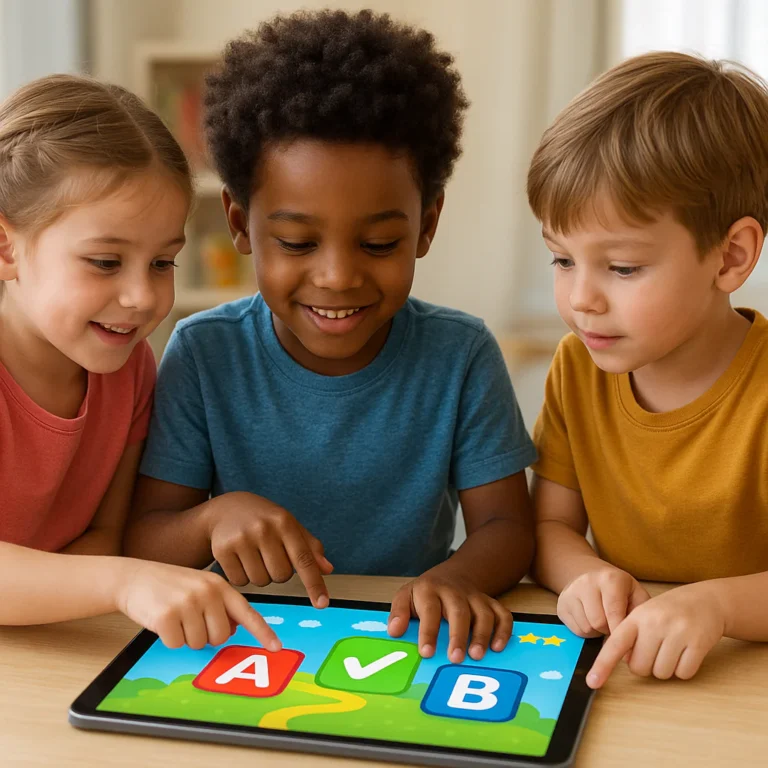

Have you ever wondered how digital learning games can transform your child’s education? Imagine a world where math problems are solved through exciting adventures, history lessons come alive in interactive simulations, and reading skills are honed while navigating through captivating storylines. In this article, we’ll explore what digital learning games are, how they work, and why they are becoming essential tools in modern education.
As we dive into the fascinating realm of digital learning games, you’ll discover not only their benefits but also our top 10 picks that can make learning fun and effective for your child. So, are you ready to unlock the potential of play-based learning? Let’s jump in!
Key Takeaways
- Digital learning games are interactive platforms designed to make education engaging and fun, blending entertainment with educational content.
- These games enhance student engagement and motivation by incorporating game mechanics like rewards, challenges, and immediate feedback.
- They cater to various learning styles, providing personalized experiences that adapt to individual needs.
- Our top 10 digital learning games include popular titles like Minecraft: Education Edition and Prodigy Math Game, which can significantly boost learning outcomes.
- Remember to balance screen time and ensure that digital games complement traditional learning methods for a well-rounded educational experience.
Ready to explore the world of educational gaming? 👉 Shop Digital Learning Games:
- Minecraft: Education Edition: Amazon | Minecraft Official Website
- Prodigy Math Game: Amazon | Prodigy Official Website
- ABCmouse.com: Amazon | ABCmouse Official Website
Let’s make learning an adventure! 🌟
Table of Contents
Quick Tips and Facts
Understanding Digital Learning Games: A New Era in Education
The Evolution of Digital Learning Games: A Historical Perspective
Types of Digital Learning Games: Exploring the Landscape
Benefits of Digital Learning Games: Why They Matter
How Digital Learning Games Enhance Student Engagement
Choosing the Right Digital Learning Game: A Parent’s Guide
Top 10 Digital Learning Games for Kids: Our Picks
Integrating Digital Learning Games into the Classroom: Best Practices
Potential Drawbacks of Digital Learning Games: What to Watch Out For
Future Trends in Digital Learning Games: What’s Next?
Conclusion
Recommended Links
FAQ
Reference Links
Quick Tips and Facts
- Digital learning games can be more effective than traditional teaching methods for certain subjects and age groups, especially when it comes to engaging young learners. (Source: National Library of Medicine) 🤯
- Not all digital learning games are created equal. Look for games that are specifically designed to be educational and engaging. ✅
- Set realistic expectations. Digital learning games should be used as a supplement to, not a replacement for, traditional teaching methods.
- Involve your child in the selection process. Let them choose games that they find fun and engaging. 😄
- Balance screen time. It’s important to make sure that children are getting a healthy balance of screen time and other activities.
Want to learn more about how to make learning fun with educational games? Check out our article on Is It Called ABCya or ABCya? The Truth Revealed! 🤔 2025.
Understanding Digital Learning Games: A New Era in Education
Digital learning games are transforming the educational landscape, making learning more interactive, engaging, and fun. 🎉 But what exactly are digital learning games? 🤔
What are Digital Learning Games?
Digital learning games are games played on digital platforms, such as computers, tablets, or smartphones, that are specifically designed with educational purposes in mind. They leverage the power of game mechanics, interactive elements, and engaging narratives to teach new concepts, reinforce learning, and develop critical thinking skills.
Think of them as a powerful blend of education and entertainment – “edutainment” – where learning happens organically through play. 🕹️
Key Characteristics of Digital Learning Games:
- Interactive and Engaging: Digital learning games encourage active participation and provide immediate feedback, keeping students engaged and motivated.
- Goal-Oriented: They present challenges and goals, encouraging students to strive for progress and mastery.
- Adaptive Learning: Many digital learning games adapt to a student’s pace and learning style, providing personalized learning experiences.
- Safe Environment for Exploration: They offer a risk-free space for students to experiment, make mistakes, and learn from their experiences.
The Evolution of Digital Learning Games: A Historical Perspective
From the early days of educational software to the immersive virtual worlds of today, digital learning games have come a long way.
Early Beginnings:
- 1960s-1970s: The seeds of digital learning games were sown with the advent of educational software like “The Oregon Trail” and “Number Munchers.” These early programs used simple game mechanics to teach history, math, and problem-solving skills.
- 1980s-1990s: The rise of personal computers brought about more sophisticated educational games, such as “Carmen Sandiego” and “Reader Rabbit,” which captivated a generation of young learners.
The Digital Boom:
- 2000s-Present: The internet and mobile technology revolutionized digital learning games, paving the way for online multiplayer games, educational apps, and immersive virtual reality experiences. Today, we have a vast and ever-growing library of digital learning games covering every subject imaginable.
Types of Digital Learning Games: Exploring the Landscape
The world of digital learning games is incredibly diverse, offering a wide range of experiences to suit different learning styles and preferences. Here are a few popular types:
- Adventure Games: These games immerse players in compelling stories and challenges, often requiring them to solve puzzles, make decisions, and apply knowledge to progress.
- Simulation Games: From building a city to conducting a science experiment, simulation games allow students to experience real-world scenarios in a safe and controlled environment.
- Puzzle Games: Logic puzzles, brain teasers, and word games help develop critical thinking, problem-solving, and cognitive skills.
- Educational Apps: Mobile apps offer a convenient and accessible way to learn on the go, covering everything from math facts to coding concepts.
Benefits of Digital Learning Games: Why They Matter
Digital learning games offer a wide range of benefits for students of all ages:
Enhanced Engagement and Motivation:
- Fun Factor: Let’s face it, learning is more effective when it’s enjoyable! Digital learning games tap into the inherent joy of play, making learning feel like an adventure.
- Interactive Elements: Interactive challenges, immediate feedback, and rewards keep students actively engaged and motivated to learn.
Deeper Learning and Skill Development:
- Active Learning: Digital learning games encourage active participation, requiring students to apply knowledge and skills to solve problems and overcome challenges.
- Critical Thinking and Problem-Solving: Many games present complex scenarios that require strategic thinking, decision-making, and problem-solving skills.
Personalized Learning Experiences:
- Adaptive Learning: Some digital learning games adjust the difficulty level and content based on a student’s progress, providing a personalized learning experience.
- Catering to Different Learning Styles: The diverse range of digital learning games caters to different learning styles, whether a student learns best through visual, auditory, or kinesthetic methods.
How Digital Learning Games Enhance Student Engagement
One of the most significant advantages of digital learning games is their ability to captivate students’ attention and foster a genuine love for learning. Here’s how they do it:
1. Tapping into Intrinsic Motivation:
- Digital learning games transform learning from a chore into a chosen activity.
- By incorporating game mechanics like points, badges, and leaderboards, these games tap into students’ intrinsic motivation, encouraging them to strive for mastery and progress.
2. Providing Immediate Feedback and Rewards:
- Instant feedback helps students understand their mistakes and learn from them in real-time.
- Rewards, whether in the form of virtual badges, unlocking new levels, or simply positive reinforcement, provide a sense of accomplishment and motivate students to keep going.
3. Creating a Sense of Control and Agency:
- Digital learning games often allow students to make choices that affect the game’s outcome, giving them a sense of control over their learning experience.
- This sense of agency can be incredibly empowering, leading to increased engagement and a desire to explore further.
Choosing the Right Digital Learning Game: A Parent’s Guide
With so many options available, choosing the right digital learning game for your child can feel overwhelming. Here are some key factors to consider:
1. Age-Appropriateness:
- Look for games that are designed for your child’s age group and developmental stage.
- Check the game’s rating and read reviews from other parents to ensure it’s appropriate for your child’s maturity level.
2. Educational Value:
- Consider the game’s learning objectives. What skills or knowledge will your child gain from playing?
- Look for games that align with your child’s interests and academic needs.
3. Engagement and Fun Factor:
- Choose games that are visually appealing, engaging, and most importantly, fun for your child to play.
- A game that holds your child’s interest is more likely to have a lasting educational impact.
Top 10 Digital Learning Games for Kids: Our Picks
Here at Learning Game™, we’re passionate about helping you find the best educational resources for your children. Based on our experience and feedback from parents and educators, here are 10 outstanding digital learning games that make learning fun and effective:
- Minecraft: Education Edition: This popular sandbox game allows students to build, explore, and create in a collaborative virtual world, fostering creativity, problem-solving, and collaboration skills.
- 👉 CHECK PRICE on: Amazon | Minecraft Official Website
- Prodigy Math Game: This engaging math game makes practicing math skills fun and rewarding. With its adaptive learning technology, Prodigy personalizes the learning experience to help students master math concepts at their own pace.
- 👉 CHECK PRICE on: Amazon | Prodigy Official Website
- ABCmouse.com: This comprehensive online learning program offers a wide range of activities for children ages 2-8, covering reading, math, science, art, and more.
- 👉 CHECK PRICE on: Amazon | ABCmouse Official Website
- Khan Academy Kids: This free educational app provides a comprehensive library of lessons, activities, and books for children ages 2-7, covering reading, language, math, social-emotional development, and more.
- 👉 CHECK PRICE on: Amazon | Khan Academy Kids Official Website
- CodeSpark Academy: This award-winning app teaches kids the fundamentals of coding through fun puzzles and games.
- 👉 CHECK PRICE on: Amazon | CodeSpark Academy Official Website
- ScratchJr: This introductory programming language allows young children to create their own interactive stories, games, and animations, fostering creativity, problem-solving, and computational thinking skills.
- 👉 CHECK PRICE on: Amazon | ScratchJr Official Website
- DragonBox: This series of math apps uses engaging puzzles and games to teach algebra, geometry, and other math concepts.
- 👉 CHECK PRICE on: Amazon | DragonBox Official Website
- Tinybop: This collection of apps allows children to explore a wide range of subjects, from the human body to the natural world, through interactive simulations and experiments.
- 👉 CHECK PRICE on: Amazon | Tinybop Official Website
- Toca Boca: This series of open-ended play apps encourages creativity, imagination, and social-emotional learning.
- 👉 CHECK PRICE on: Amazon | Toca Boca Official Website
- Monument Valley: This visually stunning puzzle game challenges players to navigate optical illusions and impossible objects, developing spatial reasoning and problem-solving skills.
- 👉 CHECK PRICE on: Amazon | Monument Valley Official Website
This is just a small sampling of the many fantastic digital learning games available. Be sure to explore different options and find what works best for your child’s interests and learning style.
Integrating Digital Learning Games into the Classroom: Best Practices
Digital learning games can be a powerful tool for educators looking to enhance their teaching strategies and create more engaging learning experiences. Here are some best practices for integrating digital learning games into the classroom:
1. Set Clear Learning Objectives:
- Before introducing a digital learning game, clearly define the learning objectives you want students to achieve.
- Choose games that align with your curriculum and address specific learning goals.
2. Provide Context and Guidance:
- Don’t just let students loose in the digital world without guidance.
- Provide context for the game, explain the rules, and set clear expectations for how it ties into the overall learning experience.
3. Encourage Collaboration and Discussion:
- Digital learning games can be a great way to foster collaboration and communication skills.
- Encourage students to work together in teams, share their strategies, and discuss their learning experiences.
4. Balance Screen Time with Other Activities:
- While digital learning games can be incredibly beneficial, it’s important to strike a balance with other learning activities.
- Use digital games as a supplement to, not a replacement for, traditional teaching methods.
Potential Drawbacks of Digital Learning Games: What to Watch Out For
While digital learning games offer a plethora of benefits, it’s essential to be aware of potential drawbacks and address them proactively:
1. Screen Time Concerns:
- Excessive screen time can have negative effects on children’s physical and mental health.
- Set reasonable time limits for game play and encourage breaks for physical activity and other activities.
2. Distraction and Lack of Focus:
- Some digital games can be highly stimulating, potentially leading to distractions and difficulty focusing on the educational content.
- Choose games that are engaging but not overly stimulating, and create a dedicated learning environment free from distractions.
3. Cost and Accessibility:
- Some digital learning games require subscriptions or purchases, which may not be accessible to all families.
- Explore free or low-cost options, and advocate for equitable access to educational resources in your community.
Future Trends in Digital Learning Games: What’s Next?
The world of digital learning games is constantly evolving, with new technologies and innovative approaches emerging all the time. Here are a few exciting trends to watch out for:
1. Virtual Reality (VR) and Augmented Reality (AR):
- VR and AR technologies have the potential to create incredibly immersive and engaging learning experiences.
- Imagine students exploring the Amazon rainforest in VR or dissecting a virtual frog in AR!
2. Artificial Intelligence (AI):
- AI is poised to revolutionize personalized learning.
- AI-powered games can adapt to a student’s individual learning style, pace, and needs, providing tailored challenges and support.
3. Game-Based Learning in the Metaverse:
- As the metaverse continues to develop, we can expect to see more educational experiences integrated into these virtual worlds.
- Imagine students attending virtual classes, collaborating on projects, and exploring historical landmarks – all within a shared virtual space.
The future of digital learning games is bright, and we’re excited to see how these technologies will continue to transform the way we learn and teach.
Conclusion

In summary, digital learning games are revolutionizing the way we approach education, providing an engaging and interactive platform for students to learn and grow. They offer numerous benefits, including enhanced engagement, personalized learning experiences, and the development of critical thinking skills. However, it’s essential to choose the right games and maintain a balanced approach to screen time.
Positives:
- Engaging and Fun: Digital learning games make learning enjoyable, motivating students to participate actively.
- Adaptive Learning: Many games tailor the experience to individual learning styles and paces.
- Skill Development: They foster critical thinking, problem-solving, and collaboration skills.
Negatives:
- Screen Time Concerns: Excessive use can lead to health issues if not monitored.
- Distraction Potential: Some games may distract rather than educate if not chosen wisely.
- Cost Accessibility: Not all families may afford premium educational games.
Overall, we confidently recommend integrating digital learning games into your child’s educational routine. They can be a powerful tool for enhancing learning when used thoughtfully and in moderation. So, are you ready to make learning fun? Dive into the world of digital learning games today! 🎮✨
Recommended Links
👉 Shop Digital Learning Games:
- Minecraft: Education Edition: Amazon | Minecraft Official Website
- Prodigy Math Game: Amazon | Prodigy Official Website
- ABCmouse.com: Amazon | ABCmouse Official Website
- Khan Academy Kids: Amazon | Khan Academy Kids Official Website
- CodeSpark Academy: Amazon | CodeSpark Academy Official Website
- ScratchJr: Amazon | ScratchJr Official Website
- DragonBox: Amazon | DragonBox Official Website
- Tinybop: Amazon | Tinybop Official Website
- Toca Boca: Amazon | Toca Boca Official Website
- Monument Valley: Amazon | Monument Valley Official Website
FAQ

What are the benefits of using digital learning games in education?
Digital learning games provide a unique blend of entertainment and education, making learning more engaging and effective. They help improve retention of information, encourage critical thinking, and foster collaboration among students. Additionally, they can cater to different learning styles, ensuring that all students can benefit from the material.
Read more about “What Is Game-Based Learning in Education? 10 Key Insights to Explore! 🎮 …”
How do digital learning games enhance student engagement and motivation?
Digital learning games enhance engagement by incorporating elements of fun and competition. They provide immediate feedback, allowing students to see their progress in real-time. This gamified approach taps into intrinsic motivation, encouraging students to take ownership of their learning journey.
Read more about “Discover 10 Exciting Types of Learning Games That Make Education Fun! 🎮”
What types of digital learning games are most effective for different age groups and subjects?
Different age groups and subjects may require different types of games. For younger children, simple puzzle and adventure games like ABCmouse.com or CodeSpark Academy are effective. For older students, simulation and strategy games like Minecraft: Education Edition and SimCity can provide deeper learning experiences. It’s essential to match the game to the learning objectives and the developmental stage of the students.
Can digital learning games be used to support special needs and inclusive education?
Absolutely! Many digital learning games are designed with accessibility in mind, offering features that support diverse learners. For example, games can provide visual aids, audio instructions, and adjustable difficulty levels. They can also foster social skills through collaborative gameplay, making them an excellent resource for inclusive education.
What should parents consider when selecting digital learning games for their children?
Parents should consider the educational value, age-appropriateness, and engagement level of the game. It’s also important to monitor screen time and ensure that the game complements traditional learning methods. Involving children in the selection process can also enhance their interest and motivation.
Read more about “How Games Are Used as an Educational Tool: 10 Engaging Strategies 🎮 …”
How can teachers effectively integrate digital learning games into their curriculum?
Teachers can integrate digital learning games by setting clear learning objectives, providing context and guidance, and encouraging collaboration among students. Balancing digital games with traditional teaching methods ensures a well-rounded educational experience.
Reference Links
- The impact of digital educational games on student’s motivation for learning
- Khan Academy
- PBS LearningMedia
- Edutopia
- Common Sense Education
By leveraging the power of digital learning games, we can create a more engaging and effective educational experience for our children. Happy gaming! 🎉