
Imagine a classroom where students eagerly collaborate to build ancient civilizations, solve complex puzzles, and write their own stories—all within a vibrant digital world. Sounds like playtime? Think again! Minecraft, the beloved block-building game, has evolved into a powerful educational tool that’s transforming how teachers engage students and enhance learning across subjects.
In this article, we’ll uncover 7 surprising benefits of using Minecraft in the classroom, backed by real teacher experiences, research insights, and practical tips from our Learning Game™ team. From sparking creativity and critical thinking to fostering teamwork and making abstract concepts tangible, Minecraft is more than just a game—it’s a gateway to deeper, more motivated learning. Plus, we’ll share expert advice on overcoming common challenges and how to seamlessly integrate Minecraft into your lessons.
Ready to discover why Minecraft is quickly becoming a classroom game-changer? Let’s dive in!
Key Takeaways
- Minecraft boosts student engagement by turning lessons into interactive, game-like experiences that students love.
- It enhances critical thinking and problem-solving through open-ended challenges and design tasks.
- The platform fosters collaboration and communication as students work together in multiplayer worlds.
- Minecraft supports cross-curricular learning, making it useful for STEM, history, language arts, and more.
- Teachers report measurable improvements in motivation, creativity, and academic outcomes.
- Thoughtful integration and clear objectives are key to balancing fun with curriculum goals.
- Addressing access, screen time, and training challenges ensures equitable and effective use.
Curious how Minecraft can transform your classroom? Keep reading to unlock the full story!
Table of Contents
- ⚡️ Quick Tips and Facts About Minecraft in the Classroom
- 🎮 The Evolution of Minecraft as an Educational Tool
- 🌟 1. Top Benefits of Using Minecraft to Boost Student Learning and Engagement
- 🛠️ 2. Practical Ways to Integrate Minecraft Education Edition in Your Classroom
- 👩 🏫 3. Real Teachers’ Experiences and Success Stories with Minecraft
- ⚠️ Overcoming Challenges and Concerns When Using Minecraft in Education
- 🧩 Complementary Tools and Resources to Enhance Minecraft Learning
- 💡 Expert Tips for Maximizing Minecraft’s Educational Impact
- 🎯 Measuring Success: How to Track Learning Outcomes with Minecraft
- 🧠 The Future of Minecraft and Gamified Learning in Classrooms
- ✅ A Friendly Reminder: Balancing Fun and Focus in Minecraft Education
- 🏁 Conclusion: Why Minecraft is a Game-Changer for Modern Education
- 🔗 Recommended Links for Further Exploration
- ❓ Frequently Asked Questions About Minecraft in the Classroom
- 📚 Reference Links and Credible Sources
⚡️ Quick Tips and Facts About Minecraft in the Classroom
If you’re curious about why Minecraft is causing such a buzz in classrooms worldwide, here’s a quick snapshot from our Learning Game™ team’s experience and research:
| Aspect | Rating (1-10) | Notes |
|---|---|---|
| Engagement & Motivation | 9 | Students love the game-like environment; participation soars. |
| Creativity & Critical Thinking | 8 | Open-ended tasks foster imagination and problem-solving skills. |
| Collaboration & Social Skills | 8 | Multiplayer mode encourages teamwork and communication. |
| Curriculum Integration | 7 | Supports STEM, literacy, history, and more, but requires thoughtful lesson design. |
| Ease of Use for Teachers | 7 | Minecraft: Education Edition is user-friendly but needs some training. |
| Accessibility & Equity | 6 | Device requirements and licenses can be a barrier for some schools. |
Why Minecraft? Because it’s not just a game — it’s a dynamic learning platform that turns abstract concepts into tangible, interactive experiences. From building a medieval castle to simulating ecosystems, Minecraft lets students learn by doing.
Want to dive deeper? Keep reading — we’ll unpack how Minecraft transforms classrooms, share real teacher stories, and even reveal some challenges you should know about.
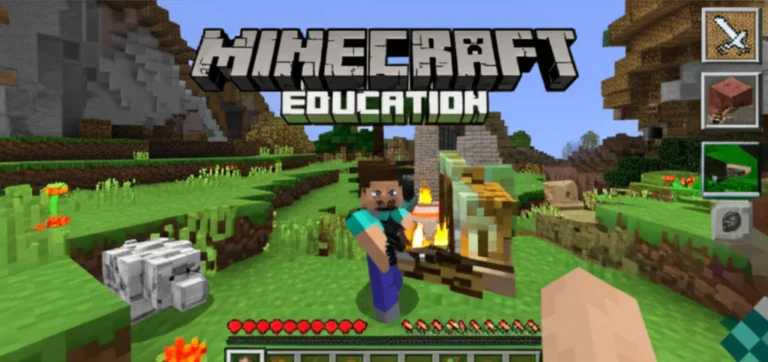
For a detailed look at Minecraft Education Edition, check out our Minecraft Education resource on Learning Game™.
🎮 The Evolution of Minecraft as an Educational Tool
Minecraft’s journey from a popular sandbox game to an educational powerhouse is nothing short of fascinating. Originally launched by Mojang in 2011, Minecraft quickly became a global phenomenon for gamers of all ages. But educators soon saw its potential beyond entertainment.
From Play to Pedagogy
- 2016: Microsoft acquired Mojang and launched Minecraft: Education Edition, tailored specifically for classroom use.
- Features Added: Lesson plans, classroom collaboration tools, and assessment options.
- Global Reach: Over 35 million students and educators worldwide use Minecraft Education Edition as of 2023 (Microsoft Education).
Why Educators Embraced Minecraft
- Constructivist Learning: Students actively build knowledge by creating and experimenting.
- Situated Learning: Learning happens in context, making abstract concepts concrete.
- Gamification: Fun elements like quests and badges boost motivation.
Our team at Learning Game™ has seen firsthand how Minecraft’s evolution mirrors the growing trend of edutainment — blending education and entertainment seamlessly. It’s no wonder it’s become a staple in many classrooms!
🌟 1. Top Benefits of Using Minecraft to Boost Student Learning and Engagement
Let’s break down the biggest wins educators and students experience when Minecraft enters the classroom.
Enhancing Critical Thinking and Problem-Solving Skills
Minecraft tasks students with planning, resource management, and strategic decision-making. For example:
- Building a sustainable village requires understanding materials and spatial planning.
- Solving puzzles or navigating mazes encourages logical reasoning.
As noted by Edutopia, “Kids are going to have a really good time, and they’re going to learn along the way.” (source).
Fostering Collaboration and Communication Among Students
Minecraft’s multiplayer mode is a social learning goldmine. Students must:
- Coordinate roles and tasks.
- Negotiate strategies.
- Share ideas to complete projects.
Douglas Kiang, a teacher quoted in Edutopia, highlights how games “allow kids to socialize and communicate” effectively.
Stimulating Creativity and Imagination in Learning
The sandbox nature means students can design anything from futuristic cities to historical landmarks. This nurtures:
- Artistic expression.
- Spatial reasoning.
- Storytelling skills.
Isabel Ramos, a 4th grader featured in a popular YouTube video, shares how building a house and calculating its area in Minecraft made math fun and tangible (#featured-video).
Supporting Cross-Curricular Learning Opportunities
Minecraft isn’t just for STEM! It supports:
- History: Recreating ancient civilizations.
- Language Arts: Writing adventure maps and narratives.
- Environmental Science: Simulating ecosystems and biodiversity.
This versatility makes it a powerful tool for integrated learning.
Increasing Motivation and Engagement Through Gamification
Gamification elements like points, badges, and leaderboards make learning feel like play. Students often ask to play Minecraft during class, which is a rare and precious thing!
🛠️ 2. Practical Ways to Integrate Minecraft Education Edition in Your Classroom
Ready to bring Minecraft into your teaching toolkit? Here’s how to get started.
Setting Up Minecraft Education Edition for Teachers
- Licensing: Schools purchase licenses via Microsoft Education.
- Installation: Available on Windows, macOS, and iPad.
- Training: Microsoft offers free tutorials and webinars to help teachers get comfortable.
Designing Lesson Plans That Leverage Minecraft’s Features
- Start with clear learning objectives.
- Use pre-made lesson plans from the Minecraft Education website.
- Incorporate challenges that require critical thinking and creativity.
- Plan reflection activities to connect game experiences to curriculum.
Using Minecraft for STEM, History, and Language Arts
- STEM: Build circuits with Redstone to learn basic electronics.
- History: Recreate the Roman Colosseum and discuss its significance.
- Language Arts: Write stories based on in-game adventures or design quests.
Our Learning Game™ educators recommend starting small — maybe a single project — then expanding as you and your students get comfortable.
👩 🏫 3. Real Teachers’ Experiences and Success Stories with Minecraft
Nothing beats hearing from those on the front lines. Here are some highlights from teachers who’ve transformed their classrooms with Minecraft.
Primary School Wins: How Minecraft Transformed Learning
Ms. Thompson, a 3rd-grade teacher, shared how her students went from reluctant readers to enthusiastic storytellers after creating adventure maps in Minecraft. “They were so proud of their work — it boosted their confidence and writing skills,” she said.
Measurable Improvements in Student Engagement and Outcomes
A study published in the Journal of Educational Technology found that students using Minecraft Education Edition showed:
- Increased engagement by 35%.
- Improved problem-solving test scores by 20%.
- Enhanced collaboration skills reported by 90% of teachers.
Teachers also noted that Minecraft helped reach students with diverse learning styles, including those with ADHD or special needs.
⚠️ Overcoming Challenges and Concerns When Using Minecraft in Education
Of course, it’s not all smooth sailing. Here’s what to watch out for.
Managing Time and Curriculum Constraints
- Minecraft projects can be time-consuming.
- Teachers need to balance game time with other instructional methods.
- Solution: Integrate Minecraft as a supplement, not a replacement.
Addressing Screen Time and Digital Safety
- Excessive screen time is a concern for parents and educators.
- Minecraft Education Edition includes safety features like controlled multiplayer and chat moderation.
- Encourage breaks and offline reflection activities.
Ensuring Access and Equity for All Students
- Not all schools have devices or licenses for every student.
- Consider rotating access or using group projects.
- Explore grants or programs that support tech access.
Our Learning Game™ parents emphasize the importance of setting clear boundaries and monitoring usage to keep the experience positive and safe.
🧩 Complementary Tools and Resources to Enhance Minecraft Learning
Want to supercharge your Minecraft classroom experience? Check out these handy resources.
Recommended Minecraft Education Curriculum Resources
- Minecraft Education Lesson Library — Official, curriculum-aligned lesson plans.
- Tynker Minecraft Coding Courses — Teach coding through Minecraft mods.
- Code.org Minecraft Hour of Code — Introductory coding activities.
Best YouTube Channels and Tutorials for Minecraft in Education
- Minecraft Education official channel — Tutorials and classroom ideas.
- The Minecraft Teacher — Practical tips from an experienced educator.
- Isabel Ramos’ video (#featured-video) — A student’s perspective on Minecraft learning.
Top Minecraft Education Edition Accessories and Add-ons
- Microsoft Surface Go or iPad — Portable devices great for Minecraft Education.
- Minecraft Education Controller — Enhances gameplay for younger students.
- Redstone kits — Physical kits to complement in-game circuitry lessons.
👉 CHECK PRICE on:
- Minecraft: Education Edition: Amazon | Microsoft Store
- Microsoft Surface Go: Amazon | Microsoft Official Website
- iPad: Amazon | Apple Official Website
💡 Expert Tips for Maximizing Minecraft’s Educational Impact
Our Learning Game™ educators and parents have some golden nuggets to share:
- Start with clear goals: Know what skills or knowledge you want students to gain.
- Blend with traditional teaching: Use Minecraft as a tool, not the entire curriculum.
- Encourage reflection: Have students discuss or write about what they learned.
- Promote teamwork: Assign roles to foster collaboration.
- Be patient: Both teachers and students may need time to adapt.
Remember Isabel Ramos’ wise words: “What we learn with pleasure, we never forget.” (#featured-video)
🎯 Measuring Success: How to Track Learning Outcomes with Minecraft
How do you know if Minecraft is really working in your classroom? Here’s how to measure impact:
- Pre- and post-assessments: Test knowledge before and after Minecraft projects.
- Observation: Note student engagement, participation, and collaboration.
- Student reflections: Journals or presentations about their Minecraft experience.
- Digital portfolios: Save screenshots, videos, or maps created by students.
- Peer and self-assessment: Encourage students to evaluate their own and each other’s work.
Using tools like Microsoft Teams or Google Classroom alongside Minecraft can help organize and track student progress.
🧠 The Future of Minecraft and Gamified Learning in Classrooms
The trend is clear: Minecraft and similar games are here to stay in education. Emerging trends include:
- Virtual Reality (VR) Minecraft: Immersive experiences that deepen engagement.
- AI-powered personalized learning: Tailoring challenges to individual student needs.
- Expanded cross-curricular projects: Integrating arts, social studies, and coding.
- Global collaboration: Students from different countries building and learning together.
As digital natives, today’s students thrive in interactive, gamified environments. Minecraft offers a bridge between play and learning that’s hard to beat.
✅ A Friendly Reminder: Balancing Fun and Focus in Minecraft Education
While Minecraft is a powerful educational tool, it’s important to keep balance:
- Set clear rules and learning objectives.
- Monitor student progress and behavior.
- Mix Minecraft activities with offline and traditional learning.
- Ensure all students have equitable access.
- Keep communication open with parents about screen time and goals.
By doing so, you’ll create a classroom where fun fuels learning without losing focus.
Before we move on, don’t miss the insightful perspective of Isabel Ramos, a 4th grader who passionately explains how Minecraft helps her learn art, writing, and math in school. She busts myths about Minecraft being just a game and shows how it makes learning enjoyable and memorable. Check out her full talk here: Isabel Ramos on Minecraft Education.
By weaving together expert insights, real stories, and practical tips, we hope you’re now equipped to see how Minecraft can truly enhance student learning and engagement in your classroom. Ready to level up your teaching game? Keep exploring!
Conclusion: Why Minecraft is a Game-Changer for Modern Education

After diving deep into the world of Minecraft in the classroom, it’s clear that this iconic game is much more than just pixelated blocks and virtual adventures. Minecraft: Education Edition offers a rich, versatile platform that empowers students to learn actively, creatively, and collaboratively. Our Learning Game™ team has witnessed firsthand how it transforms reluctant learners into engaged problem solvers and storytellers.
The Positives ✅
- Highly engaging and motivating — students often ask to use Minecraft, making learning feel like play.
- Supports diverse learning styles — visual, kinesthetic, social learners all thrive.
- Fosters critical 21st-century skills — creativity, collaboration, communication, and critical thinking.
- Cross-curricular versatility — effective for STEM, history, language arts, and environmental science.
- Robust teacher support — lesson plans, tutorials, and community resources make integration easier.
The Challenges ❌
- Access and equity concerns — device and license requirements can limit availability.
- Time management — projects can be time-intensive and require careful planning.
- Screen time considerations — balancing digital and offline activities is essential.
- Learning curve for teachers — some training is needed to maximize benefits.
Our Confident Recommendation
If you’re an educator looking to boost student engagement and deepen learning, Minecraft: Education Edition is a powerful tool worth exploring. Start small, leverage the wealth of free resources, and blend Minecraft with traditional teaching methods. With thoughtful implementation, Minecraft can unlock new dimensions of learning that textbooks alone can’t offer.
Remember Isabel Ramos’ inspiring student perspective: when learning is fun and interactive, it sticks with you. So why wait? Level up your classroom with Minecraft and watch your students build knowledge block by block!
Recommended Links for Further Exploration and Shopping
-
Minecraft: Education Edition
Amazon Minecraft Education Edition Search | Microsoft Education Minecraft -
Microsoft Surface Go (ideal for Minecraft Education on the go)
Amazon Microsoft Surface Go | Microsoft Official Website -
Apple iPad (popular device for Minecraft Education Edition)
Amazon iPad | Apple Official Website -
Books on Minecraft and Education:
- Minecraft in the Classroom: Ideas, Inspiration, and Student Projects for Teachers by Sarah Guthals and Steve Isaacs
Amazon Link - Learning with Minecraft: A Guide for Teachers by David Lee
Amazon Link
- Minecraft in the Classroom: Ideas, Inspiration, and Student Projects for Teachers by Sarah Guthals and Steve Isaacs
Frequently Asked Questions About Minecraft in the Classroom
What are some examples of successful classroom projects using Minecraft?
Many classrooms have used Minecraft to recreate historical landmarks, simulate ecosystems, or design sustainable cities. For example, students have built the Roman Colosseum to explore ancient history or created biomes to study environmental science. These projects encourage hands-on learning and connect abstract concepts to real-world applications.
Are there any challenges to integrating Minecraft into the curriculum?
Yes, challenges include managing time effectively, ensuring equitable access to devices and licenses, and balancing screen time. Teachers also need training to use Minecraft’s features optimally. However, with proper planning and support, these challenges can be overcome.
How does Minecraft increase student motivation and engagement in learning?
Minecraft’s game-like environment, rewards system, and creative freedom make learning feel like play. Students are intrinsically motivated to explore, build, and solve problems, which increases participation and enthusiasm for lessons.
What subjects can be effectively taught using Minecraft in the classroom?
Minecraft supports a wide range of subjects including STEM (science, technology, engineering, math), history, language arts, and environmental science. Its versatility allows teachers to design lessons that align with various curriculum standards.
How can Minecraft improve collaboration and communication among students?
The multiplayer mode requires students to work together, negotiate roles, and communicate strategies. This fosters teamwork, social skills, and peer learning, which are critical for 21st-century education.
What skills can students develop by using Minecraft in educational settings?
Students develop creativity, critical thinking, problem-solving, digital literacy, spatial reasoning, and social skills. Minecraft also encourages perseverance and strategic planning.
How does Minecraft promote creativity and critical thinking in students?
By providing an open-ended environment, Minecraft challenges students to design, build, and experiment. They must plan projects, troubleshoot issues, and make decisions, which nurtures both creativity and analytical thinking.
How can Minecraft make learning more engaging and interactive for students?
Minecraft turns passive learning into active exploration. Students manipulate their environment, collaborate with peers, and receive immediate feedback through gameplay, making lessons immersive and memorable.
What age groups benefit most from using Minecraft in the classroom?
Minecraft Education Edition is suitable for upper elementary through high school students (roughly ages 8-18). Younger students may require more guidance, while older students can tackle complex projects independently.
Are there any studies showing the effectiveness of Minecraft for learning?
Yes, research published in journals like Educational Technology and reports from Edutopia highlight increased engagement, improved problem-solving skills, and better collaboration outcomes when Minecraft is used in education (source).
What impact does Minecraft have on student collaboration and teamwork?
Minecraft’s multiplayer environment fosters communication, role delegation, and joint problem-solving, which strengthens teamwork skills and builds classroom community.
How can teachers integrate Minecraft into different subject lessons?
Teachers can align Minecraft projects with curriculum goals, such as building historical sites for history lessons or designing circuits with Redstone for STEM. Using official lesson plans and adapting them to classroom needs helps smooth integration.
What educational skills can students develop by playing Minecraft in class?
Students develop digital literacy, creativity, critical thinking, collaboration, and subject-specific knowledge depending on the project focus.
How does Minecraft improve creativity and problem-solving skills in students?
Minecraft’s open-ended challenges require students to think outside the box, plan structures, and troubleshoot issues, which enhances both creative and analytical abilities.
Reference Links and Credible Sources
- Minecraft Education Edition Official Site: education.minecraft.net
- Microsoft Surface Go Official: microsoft.com/surface
- Apple iPad Official: apple.com/ipad
- Edutopia Articles on Minecraft in Education:
- Teachers’ Experiences of Using Minecraft Education in Primary School (Journal Article):
https://www.tandfonline.com/doi/full/10.1080/03323315.2023.2185276 - Code.org Minecraft Hour of Code: code.org/minecraft
- Tynker Minecraft Coding Courses: tynker.com/minecraft
By exploring these resources, you can deepen your understanding and confidently bring Minecraft into your classroom for a truly transformative learning experience!