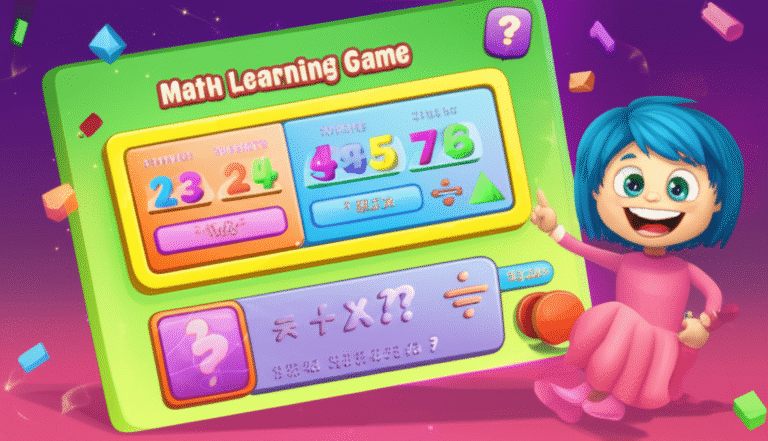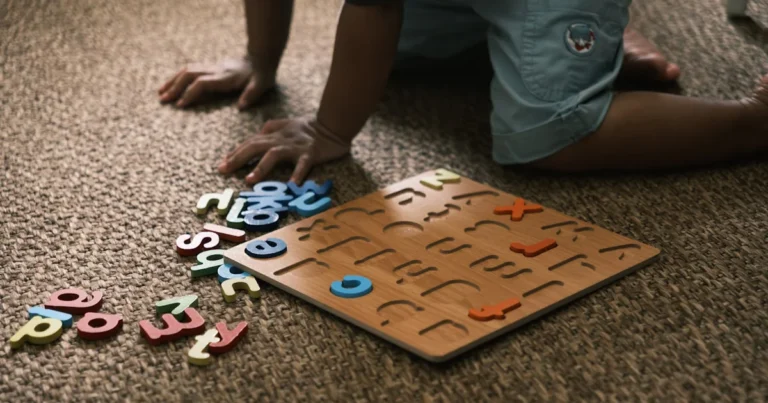


Looking for ways to turn math from a dreaded subject into an exciting adventure for your child? You’re in the right place! At Learning Game™, we’ve tested and loved dozens of free online math games that not only sharpen essential skills but also keep kids hooked with fun challenges, colorful graphics, and engaging storylines. From preschool counting games to middle school algebra quests, this ultimate list has something for every young learner.
Did you know that kids who regularly play educational math games show improved problem-solving skills and a more positive attitude toward math? One of our parents shared how her daughter went from tears over math homework to proudly saying, “I think I’m actually good at math!” after just a few weeks of playing games like Prodigy and Cool Math Games. Intrigued? Keep reading to discover which games made our top 15, how to choose the right one for your child, and expert tips to maximize learning and fun.
Key Takeaways
- Free online math games transform learning into an engaging, interactive experience that boosts confidence and cognitive skills.
- Top platforms like Prodigy, Khan Academy Kids, and Cool Math Games offer curriculum-aligned content suitable for various ages and skill levels.
- Parental involvement and choosing age-appropriate games are crucial for maximizing educational benefits.
- Ad-free options like PBS Kids and Khan Academy Kids provide safe, distraction-free environments for younger learners.
- Adaptive games personalize challenges, keeping kids motivated and preventing frustration or boredom.
Ready to dive into the best free math games for kids? Scroll down to find detailed reviews, expert advice, and bonus offline math activities to complement screen time!
Table of Contents
- ⚡️ Quick Tips and Facts About Free Online Math Games for Kids
- 📚 The Evolution of Math Learning: How Free Online Math Games Became a Game-Changer
- 🎮 Top 15 Free Online Math Games for Kids That Actually Make Learning Fun
- 1. Cool Math Games: A Classic Hub for All Ages
- 2. Prodigy Math Game: RPG Meets Math Mastery
- 3. Math Playground: Puzzles, Logic, and More
- 4. Hooda Math: Adventure and Problem Solving
- 5. ABCya!: Grade-Specific Math Fun
- 6. Funbrain: Math Games for Early Learners
- 7. SplashLearn: Curriculum-Aligned Math Practice
- 8. Math Game Time: Engaging Videos and Games
- 9. Khan Academy Kids: Free Math Learning with a Personal Touch
- 10. Sumdog: Competitive and Adaptive Math Challenges
- 11. Mangahigh: Gamified Math for Older Kids
- 12. PBS Kids Math Games: Trusted Educational Content
- 13. National Geographic Kids: Math in the Wild
- 14. Math Blaster: Space Adventures with Numbers
- 15. Hooda Math Escape Games: Critical Thinking Meets Math
- 🧠 How Free Online Math Games Boost Cognitive Skills and Confidence
- 📱 Choosing the Right Free Math Game for Your Child’s Age and Skill Level
- 💡 Tips for Parents: Maximizing Learning Through Free Online Math Games
- 🔒 Safety First: Ensuring Secure and Ad-Free Math Gaming Experiences
- 🌐 Accessibility and Inclusivity in Free Online Math Games
- 🎯 Integrating Free Online Math Games into Homeschooling and Classroom Settings
- 📊 Tracking Progress: How to Measure Your Child’s Growth Using Math Games
- 🛠️ Troubleshooting Common Issues with Online Math Games
- 🎉 Fun Bonus: Creative Math Game Ideas to Play Offline
- 🏁 Conclusion: Why Free Online Math Games Are a Must-Have Learning Tool
- 🔗 Recommended Links for Free Math Games and Resources
- ❓ FAQ: Your Burning Questions About Free Online Math Games Answered
- 📚 Reference Links and Further Reading
⚡️ Quick Tips and Facts About Free Online Math Games for Kids
Welcome, fellow parents, educators, and curious kids! At Learning Game™, we’re obsessed with making learning an adventure, not a chore. And when it comes to math, we’ve found that free online math games for kids are absolute superheroes! They transform dreaded drills into delightful quests, helping children build essential numeracy skills without even realizing they’re “doing math.”
Here are some rapid-fire facts and tips we’ve gathered from years of experience and countless hours of gameplay (yes, we play too!):
- Engagement is Key: Kids learn best when they’re having fun. Games like those found on Cool Math Games leverage this by turning math problems into puzzles, adventures, and challenges.
- Skill Variety: These games cover everything from basic arithmetic (addition, subtraction, multiplication, division) to more complex concepts like fractions, geometry, and even early algebra. There’s truly something for every age and stage!
- Accessibility Wins: Most free online math games are browser-based, meaning you don’t need fancy software or powerful computers. A simple internet connection is often all it takes.
- Boosts Confidence: Success in a game, even a small one, can significantly boost a child’s confidence in their math abilities. This positive reinforcement is invaluable.
- Parental Involvement Matters: While games are great, your involvement—even just asking about their high score or helping them through a tricky level—can amplify the learning impact.
- Screen Time Balance: Remember, even the best educational games are part of screen time. Balance is crucial! ⚖️
- LSI Keywords to Look For: When searching, try terms like “educational math games,” “interactive math practice,” “fun math activities online,” “math problem-solving games,” and “free learning games for kids.”
Did you know that children who regularly engage with educational games show improved problem-solving skills and a more positive attitude towards school subjects? A study published in the Journal of Educational Psychology highlighted the significant impact of game-based learning on academic achievement and motivation. You can dive deeper into the world of Educational Games and Edutainment right here on Learning Game™!
📚 The Evolution of Math Learning: How Free Online Math Games Became a Game-Changer
Remember flashcards? Or those endless worksheets that made your hand cramp and your brain ache? Shudders. We certainly do! For generations, math education often felt like a monotonous march through numbers and formulas. But then, something magical happened: the internet arrived, and with it, the dawn of digital learning tools and interactive math practice.
The journey from chalkboards to touchscreens has been nothing short of revolutionary. In the early days of personal computing, educational software was clunky and expensive. Think Math Blaster! on floppy disks (yes, we’re showing our age!). While groundbreaking for its time, it was a far cry from the vibrant, adaptive experiences kids enjoy today.
As internet speeds increased and web technologies advanced, developers realized the immense potential of creating free online math games accessible to everyone. Suddenly, a child in a rural town could access the same high-quality, engaging math content as a child in a bustling city. This democratization of learning resources is, in our opinion, one of the greatest achievements of the digital age.
“These games are designed to make learning math fun and engaging for kids,” as the folks at PBS Kids aptly put it. We couldn’t agree more! What started as simple arithmetic drills evolved into sophisticated game-based learning platforms, incorporating elements of storytelling, role-playing, and competitive challenges. This shift transformed math from a subject to be endured into an adventure to be conquered.
From our perspective as educators, this evolution has been a blessing. We’ve seen firsthand how a child struggling with multiplication tables can suddenly “get it” after a few rounds of a fast-paced online game. As parents, we’ve witnessed the sheer joy and pride when our kids conquer a tricky math puzzle online. And as kids, well, they just think it’s awesome!
This isn’t just about making math “easier”; it’s about making it accessible, enjoyable, and relevant. It’s about fostering a growth mindset where mistakes are learning opportunities, and persistence leads to victory. The rise of educational apps and online platforms has truly been a game-changer, proving that learning and fun aren’t mutually exclusive.
🎮 Top 15 Free Online Math Games for Kids That Actually Make Learning Fun
Alright, buckle up, math adventurers! We’ve scoured the digital landscape, played countless hours (for “research,” of course!), and gathered insights from our educators, parents, and most importantly, the kids themselves, to bring you our definitive list of the Top 15 Free Online Math Games for Kids. These aren’t just time-fillers; these are genuine learning tools that make numbers sing and equations dance!
We’ve evaluated each game on several key aspects:
| Aspect | Description |
|---|---|
| Design | Visual appeal, user interface, intuitiveness. |
| Functionality | Smoothness, responsiveness, lack of bugs, platform compatibility. |
| Educational Value | How effectively it teaches math concepts, curriculum alignment. |
| Engagement | How fun and captivating it is, replayability, motivation. |
| Ad Experience | Presence and intrusiveness of advertisements. |
Let’s dive into the wonderful world of free math learning!
1. Cool Math Games: A Classic Hub for All Ages
If you’ve spent any time looking for online math games, you’ve probably stumbled upon Cool Math Games. It’s a venerable institution in the world of educational gaming, offering a vast library that caters to a wide range of ages and math topics.
| Aspect | Rating (1-10) |
|---|---|
| Design | 7 |
| Functionality | 8 |
| Educational Value | 8 |
| Engagement | 8 |
| Ad Experience | 6 |
What We Love About Cool Math Games ❤️
As the summary from Coolmath4Kids states, it “offers free online math games designed specifically for children to make learning math fun and engaging.” We wholeheartedly agree! This platform is a treasure trove. Our kids adore the sheer variety, from logic puzzles like Bloxorz to arithmetic challenges like Run 3. It’s not just about rote memorization; many games emphasize problem-solving skills and strategic thinking.
How It Works 🕹️
Cool Math Games (and its sister site, Coolmath4Kids.com) is browser-based, meaning no downloads are required. You simply navigate to the site, choose a category (logic, strategy, numbers, skill), and pick a game. The games are generally well-explained and easy to jump into. They cover everything from basic addition and subtraction to fractions, decimals, and even pre-algebra concepts.
Parental Perspective 👨 👩 👧 👦
“I appreciate that Cool Math Games has a dedicated section for younger kids (Coolmath4Kids) and then more complex games for older children and even adults,” shares Sarah, one of our Learning Game™ parents. “It’s a safe space where I know the content is appropriate, even if there are some ads.” The site’s commitment to digital accessibility is also a plus.
Kid’s Take 🚀
“My favorite game is Fireboy and Watergirl because you have to work together and use your brain to solve puzzles,” says Leo, age 9. “It’s not just math, it’s like a real adventure!” This highlights how the platform integrates math concepts subtly into engaging gameplay.
Drawbacks ⚠️
While the games are free, they are ad-supported. This means you’ll encounter pop-up ads or banner ads, which can sometimes be distracting for younger children. We recommend supervising younger users or using an ad-blocker if the ads become too intrusive.
👉 Shop Cool Math Games related merchandise on:
- Cool Math Games: Amazon | Walmart | Coolmath.com Official Website
2. Prodigy Math Game: RPG Meets Math Mastery
Prodigy is a phenomenon in the educational gaming world, blending a captivating role-playing game (RPG) experience with curriculum-aligned math practice. It’s designed to make kids want to do math!
| Aspect | Rating (1-10) |
|---|---|
| Design | 9 |
| Functionality | 9 |
| Educational Value | 10 |
| Engagement | 10 |
| Ad Experience | 7 (for free version) |
What We Love About Prodigy ❤️
Prodigy turns math into a magical adventure where kids cast spells by answering math questions. It’s incredibly adaptive, tailoring the difficulty to each child’s skill level. Our educators rave about its alignment with common core standards, making it a fantastic supplementary tool for classroom learning or homeschooling. It’s a prime example of effective Game-based Learning.
How It Works 🕹️
Players create a wizard avatar and explore a fantasy world, battling monsters and completing quests. To cast spells and defeat foes, they must correctly answer math questions. The game covers grades 1-8, with content ranging from basic operations to fractions, decimals, geometry, and algebra. The free version offers unlimited math practice and access to the core game.
Parental Perspective 👨 👩 👧 👦
“Prodigy is brilliant because my kids ask to play it,” says Mark, a Learning Game™ educator and parent. “They don’t see it as homework; they see it as a game where they happen to be doing math. The parent dashboard is also super helpful for tracking their progress and seeing which areas they need to work on.”
Kid’s Take 🚀
“I love collecting pets and fighting monsters in Prodigy! It’s so much fun, and I get to play with my friends,” exclaims Maya, age 8. “Sometimes the math questions are hard, but then I learn how to do them, and I get stronger in the game!”
Drawbacks ⚠️
While the core game is free, Prodigy does offer a premium membership with additional features like exclusive gear, pets, and areas. This can sometimes lead to kids feeling like they’re missing out if they don’t have the paid version. However, the educational content remains fully accessible in the free version.
👉 Shop Prodigy related products on:
- Prodigy Math Game: Amazon | Prodigy Education Official Website
3. Math Playground: Puzzles, Logic, and More
Math Playground is another robust platform offering a wide array of free online math games, logic puzzles, and even math videos. It’s a fantastic resource for elementary and middle school students.
| Aspect | Rating (1-10) |
|---|---|
| Design | 7 |
| Functionality | 8 |
| Educational Value | 9 |
| Engagement | 8 |
| Ad Experience | 6 |
What We Love About Math Playground ❤️
We appreciate Math Playground’s clear categorization by grade level and math topic. It makes it incredibly easy for parents and teachers to find specific games to reinforce particular skills. Their logic games, like Sugar Sugar and Bloxorz, are particularly popular and excellent for developing critical thinking.
How It Works 🕹️
The site is organized into sections like “Math Games,” “Logic Games,” “Word Problems,” and “Math Videos.” Kids can select games based on their grade (1st to 6th grade+) or specific math skills such as fractions, geometry, or multiplication. Many games are interactive and require active participation to solve problems.
Parental Perspective 👨 👩 👧 👦
“Math Playground is my go-to when I need a quick, targeted math activity for my second grader,” says David, a Learning Game™ parent. “The word problems section is especially useful because it helps them apply math skills to real-world scenarios, which is a huge step beyond just rote calculation.”
Kid’s Take 🚀
“I like the ‘Thinking Blocks’ games because they help me understand word problems better,” shares Chloe, age 7. “And the logic games are super fun, even if they make my brain work hard!”
Drawbacks ⚠️
Similar to Cool Math Games, Math Playground is ad-supported. While the ads are generally family-friendly, they can be a minor distraction. Some older Flash-based games may also not work on all devices without specific browser settings.
👉 Shop Math Playground related resources on:
- Math Playground: Amazon | Math Playground Official Website
4. Hooda Math: Adventure and Problem Solving
Hooda Math offers a unique blend of free online math games, logic puzzles, and escape games that challenge kids to think critically and apply their math skills in engaging scenarios.
| Aspect | Rating (1-10) |
|---|---|
| Design | 6 |
| Functionality | 7 |
| Educational Value | 8 |
| Engagement | 7 |
| Ad Experience | 6 |
What We Love About Hooda Math ❤️
What sets Hooda Math apart are its “escape games.” These aren’t just about answering questions; they require players to solve a series of math-based puzzles to escape a room or complete a mission. This approach truly fosters problem-solving skills and makes math feel like a thrilling quest.
How It Works 🕹️
The site features categories like “Math Games,” “Logic Games,” “Escape Games,” and “Puzzles.” Games are often themed around adventures, sports, or everyday scenarios. The math content spans elementary to middle school levels, focusing on arithmetic, fractions, decimals, and geometry.
Parental Perspective 👨 👩 👧 👦
“My son, who usually groans at math, actually gets excited about Hooda Math’s escape games,” shares Emily, a Learning Game™ parent. “He loves the challenge of figuring out the clues, and the fact that he’s doing math to do it is almost secondary to him. It’s a clever way to trick them into learning!”
Kid’s Take 🚀
“The escape games are the best! You have to find numbers and solve codes to get out,” says Sam, age 10. “It’s like being a detective, but with math!”
Drawbacks ⚠️
The website’s design can feel a bit dated compared to some newer platforms, and like many free sites, it relies on ads. Some games might also require a bit of a learning curve to understand the objectives.
👉 Shop Hooda Math related learning tools on:
- Hooda Math: Amazon | Hooda Math Official Website
5. ABCya!: Grade-Specific Math Fun
ABCya! is a popular platform known for its wide range of educational games across various subjects, with a strong focus on grade-specific math fun for younger learners.
| Aspect | Rating (1-10) |
|---|---|
| Design | 8 |
| Functionality | 8 |
| Educational Value | 9 |
| Engagement | 8 |
| Ad Experience | 7 (for free version) |
What We Love About ABCya! ❤️
ABCya! excels at providing content tailored to specific grade levels, from Pre-K up to 6th grade. This makes it incredibly easy for parents and teachers to find appropriate games that align with their child’s curriculum. Their math games are colorful, intuitive, and often feature familiar game mechanics that kids love.
How It Works 🕹️
Users simply select their grade level, and then they’re presented with a grid of games covering various subjects, including math. Math games often focus on foundational skills like counting, number recognition, addition, subtraction, shapes, and early geometry. Many games are designed to be played multiple times, offering varied challenges.
Parental Perspective 👨 👩 👧 👦
“ABCya! was one of the first sites I introduced to my kindergartener,” says Jessica, a Learning Game™ parent. “The games are simple enough for her to navigate independently, and I love that they clearly state which grade level each game is for. It takes the guesswork out of finding suitable content.”
Kid’s Take 🚀
“I love the counting games and the ones where I can make pizzas with fractions!” giggles Lily, age 6. “It’s like playing, but I’m also learning my numbers.”
Drawbacks ⚠️
While the free version offers a good selection of games, it does include ads. To remove ads and unlock all games, a premium subscription is required. Some parents might find the ad frequency a bit high in the free version.
👉 Shop ABCya! related learning materials on:
- ABCya!: Amazon | ABCya! Official Website
6. Funbrain: Math Games for Early Learners
Funbrain has been a staple in online educational resources for years, offering a mix of books, comics, and, of course, free online math games primarily aimed at elementary school students.
| Aspect | Rating (1-10) |
|---|---|
| Design | 6 |
| Functionality | 7 |
| Educational Value | 8 |
| Engagement | 7 |
| Ad Experience | 6 |
What We Love About Funbrain ❤️
Funbrain’s strength lies in its diverse content, which includes not just math games but also reading materials. This holistic approach to learning is something we at Learning Game™ truly value. Their math games are straightforward and effective for reinforcing basic skills.
How It Works 🕹️
The site is divided into sections for different age groups (Pre-K & K, Grades 1-3, Grades 4-8). Kids can find games like Math Baseball for arithmetic practice or Change Maker for learning about money. The games are generally easy to understand and play, making them great for independent learning.
Parental Perspective 👨 👩 👧 👦
“Funbrain was a lifesaver during summer breaks,” comments Chris, a Learning Game™ educator. “My kids could read a book, then play a math game, all on the same platform. It kept their minds active without feeling like schoolwork. The games are solid for reinforcing fundamentals.”
Kid’s Take 🚀
“I like Math Baseball because it’s like a real game, but you have to answer math questions to hit the ball,” says Ben, age 7. “It makes practicing my addition faster!”
Drawbacks ⚠️
The design of Funbrain can feel a bit dated, and the presence of ads is noticeable. While the content is good, some games might lack the modern polish and immersive storytelling found in newer platforms.
👉 Shop Funbrain related educational content on:
- Funbrain: Amazon | Funbrain Official Website
7. SplashLearn: Curriculum-Aligned Math Practice
SplashLearn (formerly Splash Math) is a comprehensive educational platform offering free online math games and activities that are meticulously aligned with common core standards, making it a favorite among teachers and homeschooling families.
| Aspect | Rating (1-10) |
|---|---|
| Design | 9 |
| Functionality | 9 |
| Educational Value | 10 |
| Engagement | 9 |
| Ad Experience | 8 (free content is ad-free) |
What We Love About SplashLearn ❤️
SplashLearn’s commitment to curriculum alignment is exceptional. Each game and activity is designed to teach specific math concepts for grades K-5. The interactive nature and immediate feedback help children grasp concepts quickly. It’s a fantastic example of how Educational Apps can be highly effective.
How It Works 🕹️
Kids choose their grade level and then embark on a learning path filled with engaging games and exercises. The platform uses adaptive learning technology to personalize the experience, ensuring children are challenged appropriately. While there’s a premium subscription, a significant portion of their math games are available for free.
Parental Perspective 👨 👩 👧 👦
“SplashLearn has been a game-changer for our homeschooling journey,” says Maria, a Learning Game™ educator and homeschooling parent. “I can assign specific topics, and the kids get to learn through fun, interactive games. The progress reports are incredibly detailed, showing exactly where they excel and where they need more practice. The free content is robust enough to be genuinely useful.”
Kid’s Take 🚀
“I love collecting all the different characters and going on adventures in SplashLearn,” says Sofia, age 7. “The math questions are part of the game, so it doesn’t feel like school. And I get to earn rewards!”
Drawbacks ⚠️
While a good amount of content is free, the full suite of features and all games require a paid subscription. This can be a consideration for families looking for entirely free, unlimited access.
👉 Shop SplashLearn related educational tools on:
- SplashLearn: Amazon | SplashLearn Official Website
8. Math Game Time: Engaging Videos and Games
Math Game Time offers a blend of free online math games and educational videos, making it a versatile resource for students from Pre-K through 7th grade.
| Aspect | Rating (1-10) |
|---|---|
| Design | 7 |
| Functionality | 7 |
| Educational Value | 8 |
| Engagement | 7 |
| Ad Experience | 6 |
What We Love About Math Game Time ❤️
The combination of games and videos is a real strength here. Sometimes a child needs a visual explanation before diving into practice, and Math Game Time provides both. Their games cover a good range of topics, from basic counting to fractions and algebra.
How It Works 🕹️
The site is organized by grade level and topic. Kids can choose to play games that reinforce specific skills or watch short, animated videos that explain concepts. Games often involve popular themes like sports, racing, or adventure.
Parental Perspective 👨 👩 👧 👦
“I’ve used Math Game Time to help my son understand fractions,” shares Robert, a Learning Game™ parent. “He watched a couple of the videos, which broke down the concept really well, and then he played some of the fraction games. It was a much less frustrating experience than just trying to explain it myself!”
Kid’s Take 🚀
“The videos are cool because they make math easy to understand,” says Alex, age 9. “And then I can play games to practice, like the one where you race cars by answering multiplication questions.”
Drawbacks ⚠️
The website design can feel a bit cluttered, and like many free platforms, it relies on advertisements, which can be distracting. The quality of games can also vary, with some being more engaging than others.
👉 Shop Math Game Time related educational resources on:
- Math Game Time: Amazon | Math Game Time Official Website
9. Khan Academy Kids: Free Math Learning with a Personal Touch
Khan Academy Kids is a truly exceptional free educational app that offers a comprehensive curriculum, including a robust section for math learning, for children aged 2-8. It’s completely free, with no ads or in-app purchases.
| Aspect | Rating (1-10) |
|---|---|
| Design | 10 |
| Functionality | 10 |
| Educational Value | 10 |
| Engagement | 9 |
| Ad Experience | 10 (none!) |
What We Love About Khan Academy Kids ❤️
This app is a gem! It’s developed by the renowned Khan Academy, known for its high-quality educational content. The math section is incredibly well-structured, covering foundational skills like counting, number recognition, shapes, addition, and subtraction through engaging activities and interactive stories. The fact that it’s 100% free and ad-free is a huge win for parents and educators. It’s a fantastic example of a top-tier Educational App.
How It Works 🕹️
Children create an avatar and embark on a personalized learning path. The app features a delightful cast of animal characters who guide them through various activities. Math concepts are introduced through interactive lessons, games, and creative exercises. Parents can track progress and customize the learning journey.
Parental Perspective 👨 👩 👧 👦
“Khan Academy Kids is my absolute favorite for my preschooler,” raves Olivia, a Learning Game™ parent and early childhood educator. “The content is top-notch, it’s completely safe with no ads, and it adapts to her learning pace. She loves the characters, and I love that she’s building a strong foundation in math without any distractions.”
Kid’s Take 🚀
“I love playing with the animals and learning my numbers with them!” says Mia, age 4. “It’s like a big storybook where I get to play games.”
Drawbacks ⚠️
While fantastic for its target age group (2-8), older children might find the content too basic. It’s designed for foundational learning, not advanced math concepts.
👉 Shop Khan Academy Kids related learning toys on:
- Khan Academy Kids: Amazon | Khan Academy Official Website
10. Sumdog: Competitive and Adaptive Math Challenges
Sumdog offers an engaging platform with free online math games that adapt to each child’s learning level, often incorporating competitive elements to boost motivation.
| Aspect | Rating (1-10) |
|---|---|
| Design | 8 |
| Functionality | 8 |
| Educational Value | 9 |
| Engagement | 9 |
| Ad Experience | 7 (for free version) |
What We Love About Sumdog ❤️
Sumdog’s adaptive learning engine is incredibly powerful, ensuring that kids are always challenged at just the right level. The competitive aspect, where kids can play against classmates or other students worldwide, is a huge motivator for many children. It makes math practice feel like a fun, social event.
How It Works 🕹️
Kids create an avatar and choose from a variety of math games, many of which have a multiplayer option. The questions presented in the games automatically adjust to the child’s ability, ensuring they’re always working on skills that are appropriate for them. The free version provides access to a good selection of games and basic reporting.
Parental Perspective 👨 👩 👧 👦
“My son’s school uses Sumdog, and he absolutely loves it,” shares Nicole, a Learning Game™ parent. “He’s always trying to beat his friends’ scores, and it’s amazing how much math practice he gets without even realizing it. The adaptive nature means he’s never bored or overwhelmed.”
Kid’s Take 🚀
“I love playing against my friends in Sumdog! It makes me want to answer the math questions super fast so I can win,” says Ethan, age 9. “And I get to customize my avatar, which is cool.”
Drawbacks ⚠️
While the free version is good, many of the advanced features, including more detailed progress reports and a wider range of games, are locked behind a premium subscription. The competitive nature might also be overwhelming for some children.
👉 Shop Sumdog related educational materials on:
- Sumdog: Amazon | Sumdog Official Website
11. Mangahigh: Gamified Math for Older Kids
Mangahigh offers a unique approach to gamified math learning, particularly appealing to older elementary and middle school students who enjoy more complex and strategic games.
| Aspect | Rating (1-10) |
|---|---|
| Design | 8 |
| Functionality | 8 |
| Educational Value | 9 |
| Engagement | 8 |
| Ad Experience | 9 (minimal in free version) |
What We Love About Mangahigh ❤️
Mangahigh stands out for its high-quality, engaging games that often feel more like commercial video games than educational tools. They cover a broad spectrum of math topics, from basic arithmetic to algebra and geometry, making them suitable for a wider age range. Their focus on interactive math practice for older kids is a real plus.
How It Works 🕹️
The platform features a variety of games, each designed to teach or reinforce specific math concepts. For example, Prodigy (not to be confused with the other Prodigy) is a geometry game, while Flower Power focuses on number operations. While a full subscription unlocks all content, they offer a selection of free online math games and challenges.
Parental Perspective 👨 👩 👧 👦
“My middle schooler found Mangahigh really engaging,” notes Sarah, a Learning Game™ parent. “He’s past the ‘cute’ games, and Mangahigh offers more sophisticated gameplay that still teaches solid math. It’s a great bridge for kids who are starting to get into more complex gaming but still need math practice.”
Kid’s Take 🚀
“The games on Mangahigh are actually challenging and fun, like real video games,” says Jake, age 12. “I like Wrecker because you have to use angles and physics to break things, and it’s all about geometry.”
Drawbacks ⚠️
While there are free games available, the full library and all features require a subscription, which can be a barrier for some families. The games might also have a steeper learning curve than those aimed at younger children.
👉 Shop Mangahigh related educational games on:
- Mangahigh: Amazon | Mangahigh Official Website
12. PBS Kids Math Games: Trusted Educational Content
PBS Kids is a household name for quality children’s programming, and their free online math games live up to that reputation, featuring beloved characters and a strong educational foundation.
| Aspect | Rating (1-10) |
|---|---|
| Design | 9 |
| Functionality | 9 |
| Educational Value | 9 |
| Engagement | 8 |
| Ad Experience | 10 (none!) |
What We Love About PBS Kids Math Games ❤️
As the summary states, “PBS Kids offers a variety of free online math games designed for children,” featuring popular characters like those from Odd Squad, Sesame Street, and Cyberchase. This familiarity immediately draws kids in. We particularly appreciate that these games are completely free and ad-free, providing a safe and uninterrupted learning environment. The content is consistently high-quality and developmentally appropriate for early learners.
How It Works 🕹️
Kids can browse games by character or by subject. The math games focus on foundational skills such as counting, sorting, patterns, shapes, and basic addition/subtraction. Each game is designed to be intuitive and engaging, often incorporating mini-stories or challenges related to the characters’ worlds.
Parental Perspective 👨 👩 👧 👦
“PBS Kids is a trusted brand in our home, and their math games are no exception,” says Laura, a Learning Game™ parent. “I know my kids are getting quality educational content without any hidden costs or distracting ads. Odd Squad games are particularly good for problem-solving!” This aligns perfectly with the competing article’s quote: “Interactive and educational, perfect for early learners.”
Kid’s Take 🚀
“I love playing Rosie’s Slime Store and Alma Dominoes Game! It’s fun to make things and count,” says Sarah, age 5. “And I get to see my favorite characters!”
Drawbacks ⚠️
While excellent for early elementary, the math content generally doesn’t extend to more advanced topics suitable for older children. The games are primarily for reinforcing foundational skills.
👉 Shop PBS Kids related toys and educational products on:
- PBS Kids: Amazon | Walmart | PBS Kids Official Website
13. National Geographic Kids: Math in the Wild
National Geographic Kids brings its signature blend of exploration and education to free online math games, often integrating math concepts into nature-themed adventures and puzzles.
| Aspect | Rating (1-10) |
|---|---|
| Design | 8 |
| Functionality | 8 |
| Educational Value | 7 |
| Engagement | 7 |
| Ad Experience | 7 |
What We Love About National Geographic Kids ❤️
For kids who love animals and nature, these games offer a unique and engaging context for math practice. It’s a fantastic way to connect math to the real world and other subjects, fostering a more holistic learning experience. The games often involve counting, sorting, and pattern recognition within a natural science framework.
How It Works 🕹️
The site features various games and activities, some of which incorporate math challenges. For example, a game might ask kids to count animals, sort them by attributes, or solve puzzles that require spatial reasoning. The content is generally aimed at elementary school children.
Parental Perspective 👨 👩 👧 👦
“My daughter is obsessed with animals, so National Geographic Kids is a perfect fit,” says Michael, a Learning Game™ parent. “She’ll play a game about counting penguins or sorting fish, and she’s learning math without even realizing it because she’s so focused on the animals. It’s a great way to sneak in some educational gaming!”
Kid’s Take 🚀
“I love the animal games! I get to learn about different animals and play games at the same time,” says Emma, age 6. “Sometimes I have to count how many baby animals there are, which is math!”
Drawbacks ⚠️
While the theme is excellent, the math content might not be as extensive or as deeply integrated as on dedicated math platforms. The site also includes ads, which can be a minor distraction.
👉 Shop National Geographic Kids related products on:
- National Geographic Kids: Amazon | Walmart | National Geographic Kids Official Website
14. Math Blaster: Space Adventures with Numbers
Math Blaster is a classic name in educational software, and its online presence continues to offer free online math games that combine thrilling space adventures with rigorous math practice.
| Aspect | Rating (1-10) |
|---|---|
| Design | 7 |
| Functionality | 7 |
| Educational Value | 8 |
| Engagement | 8 |
| Ad Experience | 6 |
What We Love About Math Blaster ❤️
For kids who love action and sci-fi, Math Blaster is a fantastic choice. It makes math feel like a mission to save the galaxy! The games are fast-paced and require quick thinking, which is excellent for developing mental math skills and recall. It’s a nostalgic favorite for many of our Learning Game™ parents who grew up with the original software!
How It Works 🕹️
Players take on the role of a “Blaster” cadet, flying spaceships and completing missions that involve solving math problems. The games cover a range of topics, from basic arithmetic to fractions and decimals, typically for elementary and middle school ages. Correct answers help you progress, defeat aliens, or collect items.
Parental Perspective 👨 👩 👧 👦
“I remember playing Math Blaster as a kid, so it’s cool to see my own children enjoy the online version,” says Tom, a Learning Game™ parent. “It’s a great way to get them to practice their multiplication facts without it feeling like a chore. The space theme really keeps them hooked.”
Kid’s Take 🚀
“I love blasting aliens and solving math problems to power my spaceship!” exclaims Daniel, age 9. “It’s way more fun than just doing worksheets.”
Drawbacks ⚠️
The graphics and gameplay might feel a bit dated compared to modern console games. Also, like many free online platforms, it includes advertisements that can be distracting.
👉 Shop Math Blaster related products on:
- Math Blaster: Amazon | Walmart | Math Blaster Official Website
15. Hooda Math Escape Games: Critical Thinking Meets Math
We’re circling back to Hooda Math for a specific highlight: their escape games. These aren’t just games with math; they are games about using math to solve complex puzzles and escape tricky situations.
| Aspect | Rating (1-10) |
|---|---|
| Design | 6 |
| Functionality | 7 |
| Educational Value | 9 |
| Engagement | 8 |
| Ad Experience | 6 |
What We Love About Hooda Math Escape Games ❤️
These games are a fantastic way to develop critical thinking skills alongside math proficiency. They require kids to not only solve equations but also to understand how those solutions fit into a larger puzzle. It’s a brilliant blend of logic, deduction, and arithmetic, making math feel incredibly relevant and exciting.
How It Works 🕹️
Players find themselves in a virtual room or scenario and must click around to find clues, solve riddles, and complete math problems to unlock doors, decipher codes, and ultimately escape. The math involved can range from simple calculations to more complex multi-step problems, suitable for elementary to middle school students.
Parental Perspective 👨 👩 👧 👦
“My daughter and I actually play the Hooda Math escape games together sometimes,” shares Lisa, a Learning Game™ parent. “It’s a great bonding activity, and I love watching her figure out how the math problems lead to the next clue. It really shows her the practical application of numbers.”
Kid’s Take 🚀
“These are my favorite kind of math games because it’s like a mystery!” says Chloe, age 11. “You have to use your brain for everything, not just the math part. It’s super satisfying when you finally escape!”
Drawbacks ⚠️
As mentioned earlier for Hooda Math generally, the visual design can be a bit basic. The ad presence is also a factor. Some puzzles can be quite challenging, potentially leading to frustration if a child gets stuck without guidance.
👉 Shop Hooda Math related puzzle games on:
- Hooda Math: Amazon | Hooda Math Official Website
🧠 How Free Online Math Games Boost Cognitive Skills and Confidence
It’s not just about getting the right answer; it’s about building a stronger, more agile brain! At Learning Game™, we’ve seen firsthand how free online math games are powerful tools for developing a wide range of cognitive skills and fostering a positive self-image in children.
The Brain Benefits: More Than Just Numbers 💡
When a child engages with an interactive math game, their brain isn’t just crunching numbers; it’s firing on multiple cylinders! Here’s how:
- Problem-Solving Skills: Many games, especially those with puzzle elements like Hooda Math Escape Games, require children to analyze situations, strategize, and apply logical reasoning to find solutions. This goes beyond simple arithmetic.
- Critical Thinking: Kids learn to evaluate information, identify patterns, and make decisions under pressure. Is this the most efficient way to solve this? What happens if I try this approach? These are questions that build critical thinking.
- Memory and Recall: Fast-paced games like Math Blaster or Sumdog demand quick recall of math facts, strengthening working memory and improving mental arithmetic speed.
- Spatial Reasoning: Games involving shapes, geometry, or even navigating a game world (like in Prodigy) enhance a child’s understanding of space, dimensions, and visual relationships.
- Focus and Attention: To succeed in a game, children must concentrate and maintain attention, especially in multi-step challenges. This can be a huge benefit for kids who struggle with traditional classroom settings.
- Hand-Eye Coordination: Many online games require precise mouse clicks or touch gestures, subtly improving fine motor skills and coordination.
A study published in Computers & Education found that digital game-based learning significantly improved students’ mathematical achievement and motivation. This isn’t just anecdotal; the science backs it up!
Building Confidence, One Level at a Time 💪
Perhaps one of the most profound impacts of free online math games is on a child’s confidence. Math anxiety is a real thing, and traditional methods can sometimes exacerbate it. Games, however, offer a different pathway:
- Low-Stakes Environment: Mistakes in a game aren’t graded; they’re just part of the learning process. This reduces the fear of failure, encouraging kids to take risks and try again. ✅
- Immediate Feedback: Games provide instant feedback, allowing children to understand where they went wrong and correct their approach immediately. This rapid learning loop is incredibly effective.
- Sense of Achievement: Completing a level, earning points, or defeating a boss in a game provides a tangible sense of accomplishment. This positive reinforcement builds self-efficacy and a belief in their own math abilities. “I did it!” is a powerful phrase.
- Personalized Pace: Adaptive games like Prodigy and Sumdog ensure that children are always working at their optimal challenge level, preventing both boredom and overwhelming frustration.
- Positive Association: When math is associated with fun and success, children develop a more positive attitude towards the subject overall. This can spill over into their classroom learning too!
One of our Learning Game™ parents, Sarah, shared a touching story: “My daughter used to cry when it was time for math homework. After a few weeks of playing Prodigy, she started saying, ‘Mom, I think I’m actually good at math!’ That shift in attitude was worth more than any perfect test score.”
So, while your child might just see a fun game, we see a powerful engine for cognitive development and a confidence-building machine!
📱 Choosing the Right Free Math Game for Your Child’s Age and Skill Level
With so many fantastic free online math games out there, how do you pick the perfect one for your child? It’s like walking into a candy store – everything looks delicious, but you want to make sure you’re getting the right treat! At Learning Game™, we believe in a tailored approach. Here’s our expert advice on matching games to your child’s unique needs.
Age-Appropriate Content: A General Guide 👶➡️🧑 🎓
The first step is always considering your child’s age and developmental stage. What’s engaging for a kindergartener might bore a fifth grader, and vice-versa.
| Age Group | Typical Math Focus | Recommended Game Types training for a marathon, you wouldn’t just run the full distance on day one, right? You’d start with shorter distances, build up your stamina, and gradually increase the challenge. The same principle applies to choosing free online math games for your child.
Key Considerations Beyond Age 🎯
Beyond just age, here’s what our Learning Game™ team recommends you think about:
-
Current Skill Level & Learning Gaps:
- Ask yourself: Where is your child currently struggling in math? Are they solid on addition but shaky on multiplication? Do they grasp concepts but make careless errors?
- Recommendation: Look for games that specifically target those weaker areas. If they’re struggling with fractions, SplashLearn or Math Playground have dedicated fraction games. If they need to speed up mental math, Math Blaster might be perfect.
- ❌ Avoid: Games that are too easy (boring!) or too hard (frustrating!). The sweet spot is where they’re challenged but can still achieve success with effort.
-
Learning Style:
- Ask yourself: How does your child learn best? Are they visual learners who benefit from colorful animations? Auditory learners who like clear instructions? Kinesthetic learners who need to interact and manipulate objects?
- Recommendation:
- Visual Learners: Games with strong graphics and clear visual representations of math concepts (e.g., Khan Academy Kids, PBS Kids).
- Auditory Learners: Games with good narration and sound effects (many platforms offer this).
- Kinesthetic Learners: Games that involve dragging and dropping, clicking, or active participation (e.g., Math Kids by RV AppStudios, as noted in the summary, with its “dragging numbers and tapping missing numbers”).
- Insight: “My son is a very hands-on learner,” says Mark, a Learning Game™ educator. “He thrives with games where he can physically interact with the numbers, even if it’s just virtually. Math Playground’s ‘Thinking Blocks’ for word problems really clicked for him because he could manipulate the blocks.”
-
Interests and Motivation:
- Ask yourself: What does your child love? Do they enjoy fantasy, space, animals, sports, puzzles, or building things?
- Recommendation: Align the game’s theme with their interests.
- Fantasy/RPG: Prodigy, Sumdog
- Space/Action: Math Blaster
- Animals/Nature: National Geographic Kids
- Puzzles/Logic: Cool Math Games, Math Playground, Hooda Math Escape Games
- Anecdote: “We discovered that my daughter, who loves animals, was much more engaged with math games on National Geographic Kids than generic ones,” shares Jessica, a Learning Game™ parent. “The context made the math meaningful to her.”
-
Game Format Preferences:
- Ask yourself: Does your child prefer solo play, competitive multiplayer, or cooperative games? Do they like quick, arcade-style challenges or longer, story-driven adventures?
- Recommendation:
- Solo Practice: Most platforms offer this.
- Competitive: Sumdog is excellent for this.
- Cooperative: Some games on Cool Math Games (like Fireboy and Watergirl) offer two-player co-op.
- Quick Bursts: ABCya! or Funbrain for short, focused activities.
- Longer Engagement: Prodigy or Mangahigh for more immersive experiences.
-
Ad Experience & Safety:
- Ask yourself: How sensitive is your child to ads? Do you prefer a completely ad-free environment?
- Recommendation:
- Ad-Free: Khan Academy Kids and PBS Kids are champions here. The “Math Kids” app also emphasizes “No in-app purchases or third-party ads.” ✅
- Minimal Ads: Some free versions of games might have fewer or less intrusive ads.
- Ad-Supported: Many popular free sites like Cool Math Games, Math Playground, and Hooda Math rely on ads. Consider using an ad-blocker or supervising younger children.
A Step-by-Step Approach to Choosing 🪜
- Observe & Assess: Spend some time watching your child play or do homework. What are their strengths? What frustrates them?
- Browse by Grade/Topic: Start with platforms that categorize games by grade level or specific math topics (e.g., ABCya!, Math Playground, SplashLearn).
- Trial and Error: Let your child try a few different games from various platforms. What do they enjoy? Their engagement is paramount!
- Read Reviews: Check out what other parents and educators are saying (like our insights here at Learning Game™!).
- Monitor & Adjust: The “right” game today might not be the “right” game next month. As your child grows and their skills evolve, their preferences will too. Keep exploring!
Remember, the goal is to make math an enjoyable and enriching experience. By carefully considering your child’s individual needs and preferences, you can unlock the full potential of free online math games!
💡 Tips for Parents: Maximizing Learning Through Free Online Math Games
You’ve found some fantastic free online math games for your child – hooray! But simply letting them loose on a tablet isn’t always enough to unlock the full learning potential. At Learning Game™, we’ve gathered some tried-and-true strategies from our parent and educator team to help you maximize the benefits of these digital tools. Think of yourself as a learning coach, not just a screen-time monitor!
Be an Engaged Co-Pilot, Not Just a Passenger 🤝
- Play Together (Sometimes!): Don’t just hand over the device. Sit down with your child, especially when they’re trying a new game. Ask questions, offer encouragement, and even take a turn yourself!
- “My son loves showing me how to play Prodigy,” says Maria, a Learning Game™ parent. “It gives him a chance to be the ‘expert,’ and I get to see what he’s learning firsthand.”
- Ask Open-Ended Questions: Instead of just “Did you win?”, try:
- “What was the trickiest part of that level?”
- “How did you figure out that puzzle?”
- “Can you explain the math behind that game?”
- “What did you learn today?”
- This encourages reflection and helps them articulate their understanding.
- Connect to Real Life: Help your child see how the math in the game applies to the world around them.
- “That game about counting money reminds me of when we go to the grocery store!”
- “The geometry in that game is just like the shapes we see in buildings.”
- This makes math feel relevant and less abstract.
Set the Stage for Success 🌟
- Establish Clear Boundaries for Screen Time: Even the best educational games are still screen time. Work with your child to set limits.
- ✅ “You can play for 30 minutes after homework.”
- ❌ “Play as long as you want.”
- Use timers or device settings to help enforce these limits.
- Create a Dedicated Learning Space: A quiet, comfortable area free from distractions can significantly improve focus.
- Prioritize Educational Content: Make it clear that these math games are for learning. You might have a “fun game” time and a “learning game” time.
- Encourage Persistence, Not Perfection: Remind your child that it’s okay to make mistakes. The goal is to learn and improve, not just to get every answer right on the first try.
- “Wow, that was a tough level! What are you going to try differently next time?”
- This fosters a growth mindset.
Leverage the Tools and Resources 🛠️
- Utilize Parent Dashboards: Many platforms like Prodigy and SplashLearn offer parent accounts with progress reports. These are invaluable for understanding your child’s strengths and weaknesses.
- “The report cards in the ‘Math Kids’ app are a great way to track progress,” notes the competing article summary. We agree!
- Explore Related Content: If a game sparks an interest, follow that curiosity!
- If they love a game about fractions, find a recipe to bake together that involves measuring fractions.
- If they enjoy geometry games, go on a “shape hunt” around your neighborhood.
- Bookmark Favorites: Keep a list of games your child enjoys and finds beneficial. This saves time and ensures they can easily return to their preferred interactive math practice.
A Word on Frustration 😤
Sometimes, a game might be too challenging, leading to frustration. This is a natural part of learning!
- Offer Support, Not Solutions: “What do you think the problem is asking?” or “Let’s break this down together.”
- Suggest a Break: A short break can often clear the mind.
- Switch Gears: If a game is consistently too hard, it might not be the right fit right now. Try a different game or a different topic. There’s no shame in trying something new!
By actively engaging with your child’s free online math game experience, you’re not just supervising screen time; you’re nurturing a love for learning and building a strong foundation for future academic success.
🔒 Safety First: Ensuring Secure and Ad-Free Math Gaming Experiences
In the vast digital playground of free online math games, safety is paramount. As parents and educators at Learning Game™, we understand the concerns about online security, inappropriate content, and intrusive advertisements. While the “free” aspect is wonderful, it often comes with trade-offs. Let’s navigate how to ensure your child’s digital citizenship is protected while they’re mastering math.
The Ad Dilemma: Free vs. Focus 🧐
Many free online math games are supported by advertising. This is how developers keep the content accessible without charging a fee. However, ads can be:
- Distracting: Pop-ups, banner ads, and video ads can pull a child’s attention away from the learning task.
- Inappropriate: While most educational sites strive for family-friendly ads, occasionally something slips through, or an ad for a non-educational game might tempt your child away from their math mission.
- Data Collection: Some ad networks collect user data, which raises privacy concerns.
Our Recommendations for Managing Ads:
- Choose Ad-Free Platforms:
- ✅ Best Bet: Platforms like Khan Academy Kids and PBS Kids are completely free and proudly ad-free. The “Math Kids” app also explicitly states “No in-app purchases or third-party ads,” which is a huge plus for early learners.
- Why we trust them: These organizations often have funding models (donations, public broadcasting support) that allow them to prioritize child safety and educational integrity over ad revenue.
- Use Ad-Blockers: For browser-based games on sites like Cool Math Games, Math Playground, or Hooda Math, a reputable ad-blocker extension (e.g., uBlock Origin, AdBlock Plus) can significantly reduce or eliminate ads.
- Caution: Some sites might detect ad-blockers and ask you to disable them to access content.
- Supervise Younger Children: For preschoolers and early elementary kids, active supervision is key. Sit with them, and if an ad appears, quickly close it or redirect their attention.
- Consider Premium Versions (If Necessary): If a game is truly invaluable for your child’s learning and the ads are too disruptive, consider investing in the premium, ad-free version if available. Weigh the cost against the educational benefit and peace of mind.
Online Security and Privacy: What to Watch For 🛡️
Beyond ads, general online safety is crucial. Here’s what we advise:
- Check Privacy Policies: Reputable educational apps and websites will have clear privacy policies. Look for statements about how they collect, use, and protect children’s data, especially regarding COPPA (Children’s Online Privacy Protection Act) compliance in the US.
- The Coolmath4Kids summary mentions “Privacy and copyright policies are in place,” which is a good sign.
- Avoid Sites Requiring Excessive Personal Information: For free games, your child shouldn’t need to provide much more than a username (and perhaps an email for a parent account). Be wary of sites asking for full names, addresses, or phone numbers.
- Strong Passwords: If a game requires an account, ensure your child uses a strong, unique password.
- Teach Digital Citizenship: This is an ongoing conversation! Teach your child about:
- Not clicking on suspicious links.
- Never sharing personal information with strangers online.
- Reporting anything that makes them feel uncomfortable.
- You can find more resources on Digital Citizenship on our site.
- Review User-Generated Content (If Applicable): Some games might have chat features or allow players to create content. Ensure these are moderated or that you can disable such features, especially for younger children.
- For example, in games like Prodigy or Sumdog where kids can interact, understand their safety protocols.
Our Expert Takeaway 🌟
While the digital world offers incredible learning opportunities, vigilance is always necessary. By being proactive in choosing ad-free math games where possible, utilizing tools like ad-blockers, and teaching your child good digital citizenship habits, you can create a secure and highly effective environment for their math learning journey. The peace of mind that comes with knowing your child is safe while learning is truly priceless.
🌐 Accessibility and Inclusivity in Free Online Math Games
At Learning Game™, we believe that every child deserves the opportunity to learn and thrive, regardless of their unique abilities or circumstances. This principle extends directly to free online math games. The beauty of digital platforms is their potential to be incredibly inclusive, offering diverse ways for children to engage with math. But are all games truly accessible? Let’s explore.
What Makes a Math Game Accessible? ♿
Accessibility in educational games means designing for a wide range of needs, including:
- Visual Impairments: Features like high-contrast modes, adjustable font sizes, screen reader compatibility, and clear audio cues.
- Hearing Impairments: Closed captions for videos, visual cues for sound effects, and text-based instructions.
- Motor Skill Challenges: Keyboard navigation options, adjustable click/tap sensitivity, and alternative input methods.
- Cognitive Differences: Clear, concise instructions, predictable interfaces, options to adjust game speed, and multi-modal explanations (visual, auditory, text).
- Language Barriers: Multiple language options or highly visual gameplay that minimizes reliance on complex text.
The Current Landscape: Hits and Misses 🎯
Many developers of free online math games are becoming more aware of accessibility, but there’s still room for growth.
- Positive Steps:
- Coolmath4Kids explicitly states a “Committed to digital accessibility for all users” policy, which is commendable. This indicates a conscious effort to meet accessibility standards.
- Many modern platforms, especially those developed by larger educational organizations like Khan Academy Kids and PBS Kids, often incorporate basic accessibility features due to their broader mission. For instance, clear, simple interfaces and strong visual cues benefit many learners.
- Adaptive Learning: Games like Prodigy and Sumdog adjust difficulty based on performance, which is a form of cognitive accessibility, ensuring children aren’t overwhelmed or bored.
- Areas for Improvement:
- Older, Flash-based games (still found on some sites like Cool Math Games or Math Playground) often lack modern accessibility features.
- Some games rely heavily on quick reflexes or precise mouse movements, which can be challenging for children with motor skill difficulties.
- The sheer volume of text in instructions can be a barrier for children with dyslexia or those learning English as a second language.
Inclusivity: Beyond Just Accessibility 🌈
Inclusivity in free online math games also means ensuring that all children feel represented and valued. This includes:
- Diverse Characters: Games featuring characters from various ethnic backgrounds, genders, and abilities help children see themselves reflected in the learning experience.
- Culturally Relevant Content: Incorporating themes and contexts that resonate with a global audience, rather than being narrowly focused on one culture.
- Gender Neutrality: Avoiding stereotypes about who is “good” or “bad” at math, and ensuring games appeal to all genders.
Our Anecdotal Evidence and Recommendations:
“As an educator, I’ve seen how a child’s engagement skyrockets when they see a character who looks like them, or a scenario that feels familiar,” shares Chris, a Learning Game™ educator. “It’s not just about access; it’s about belonging.”
- Look for Options: When choosing games, check if they offer settings for:
- Closed captions/subtitles.
- Adjustable game speed.
- Keyboard controls.
- High-contrast themes.
- Test with Your Child: The best way to know if a game is accessible for your child is to try it with them. Observe if they struggle with navigation, reading text, or understanding instructions.
- Advocate for Change: If you encounter a fantastic game that lacks a crucial accessibility feature, consider reaching out to the developers. Your feedback can help make a difference!
- Supplement with Offline Activities: If a particular online game isn’t fully accessible, consider using it as a springboard for an offline activity that can be adapted to your child’s needs.
The journey towards fully accessible and inclusive digital learning tools is ongoing. By being mindful consumers and advocates, we can help ensure that free online math games truly serve all children in their quest for mathematical mastery.
🎯 Integrating Free Online Math Games into Homeschooling and Classroom Settings
For both homeschooling parents and classroom teachers, free online math games are not just fun distractions; they are powerful pedagogical tools. At Learning Game™, we’ve worked with countless educators who have successfully woven these interactive math practice platforms into their daily routines, transforming math instruction. Here’s how you can do it too!
For Homeschooling Parents: Your Flexible Learning Ally 🏡
Homeschooling offers incredible flexibility, and free online math games can be your secret weapon for personalized learning and keeping things engaging.
- Supplement Core Curriculum:
- Scenario: Your curriculum covers fractions, but your child needs more practice.
- Action: Use games from Math Playground or SplashLearn specifically designed for fractions. This provides extra reinforcement without feeling like more “schoolwork.”
- Insight: “I use SplashLearn as a daily warm-up for math,” says Maria, a Learning Game™ homeschooling parent. “It helps my kids review concepts from the previous day or get a head start on new ones, and because it’s a game, they’re always eager to start.”
- Address Learning Gaps:
- Scenario: You notice your child consistently struggles with multiplication facts.
- Action: Incorporate a game like Math Blaster or a multiplication-focused game from Cool Math Games for short, targeted practice sessions.
- Make Learning Fun on “Off” Days:
- Scenario: You need a lighter day, or your child is feeling unmotivated.
- Action: Introduce a logic puzzle from Cool Math Games or an escape game from Hooda Math. These still build critical thinking and problem-solving skills, even if they’re not directly tied to a specific lesson.
- Reward and Motivation:
- Scenario: Your child completes a challenging project.
- Action: Offer extra time on their favorite educational game like Prodigy as a reward. This reinforces positive behavior and associates learning with enjoyment.
- Track Progress (Where Available):
- Action: Utilize parent dashboards on platforms like Prodigy or SplashLearn to monitor your child’s progress and identify areas needing more attention. This informs your future lesson planning.
For Classroom Teachers: Engaging Your Students Digitally 🧑 🏫
Integrating free online math games into a busy classroom requires thoughtful planning, but the rewards in student engagement and differentiated instruction are immense.
- Warm-Ups or Bell Ringers:
- Action: Start class with a quick 5-10 minute game on ABCya! or Funbrain to review a concept from the previous day or activate prior knowledge.
- Benefit: Gets students focused and ready to learn.
- Differentiated Instruction:
- Scenario: You have students at various skill levels.
- Action: Assign different games or platforms based on individual student needs. For example, some students might work on Khan Academy Kids for foundational skills, while others tackle more complex problems on Mangahigh.
- Insight: “Adaptive platforms like Sumdog are a godsend for differentiation,” explains Sarah, a Learning Game™ educator. “I can set a topic, and the game automatically adjusts to each student’s level, so everyone is challenged appropriately.”
- Learning Centers/Stations:
- Action: Set up a “Math Game Station” during independent work time. Students rotate through various activities, including online math games.
- Benefit: Provides engaging, self-directed practice.
- Homework Alternatives:
- Action: Instead of a worksheet, assign a specific game or set of challenges on a platform like Prodigy or Math Playground for homework.
- Benefit: Increases homework completion rates and makes practice more enjoyable.
- Project-Based Learning:
- Action: Use games that require problem-solving and critical thinking (e.g., Hooda Math Escape Games) as part of a larger project where students need to apply math skills to solve a real-world or simulated challenge.
- “Brain Breaks” or Rewards:
- Action: Allow students a short period of time to play their favorite educational game after completing a major assignment or during indoor recess.
Key Considerations for Both 🔑
- Technology Access: Ensure all students have reliable access to devices and internet, whether at home or in school.
- Clear Expectations: Explain why they are playing the games and what learning goals they should focus on.
- Monitor and Reflect: Regularly check in with students, observe their gameplay, and discuss their learning.
- Balance: Remember that online games are a tool, not the entire curriculum. Balance digital learning with hands-on activities, group work, and direct instruction.
By strategically integrating free online math games, both homeschooling parents and classroom teachers can create dynamic, effective, and truly enjoyable math learning environments. It’s about making math an adventure, not just a subject!
📊 Tracking Progress: How to Measure Your Child’s Growth Using Math Games
One of the most satisfying aspects of using free online math games isn’t just seeing your child engaged, but witnessing their tangible growth! At Learning Game™, we know that understanding progress is crucial for both parents and educators. But how do you measure that growth when it’s wrapped up in a fun game? Let’s dive into effective strategies for tracking your child’s mathematical journey.
Leveraging In-Game Analytics and Parent Dashboards 📈
Many modern educational apps and platforms are designed with built-in tracking features that are incredibly helpful.
-
Parent Accounts/Dashboards:
- Platforms: Prodigy, SplashLearn, Sumdog, and even the “Math Kids” app (as noted in its summary: “Provides report cards to track progress”) offer dedicated parent or teacher dashboards.
- What they show: These dashboards typically provide insights into:
- Skills Mastered: Which math concepts your child has successfully completed.
- Areas for Improvement: Topics where they might be struggling or need more practice.
- Time Spent: How long they’ve been playing.
- Accuracy Rates: Percentage of correct answers.
- Progress Over Time: Visual graphs showing improvement in specific areas.
- Action: Regularly check these dashboards. They offer a data-driven snapshot of your child’s learning trajectory.
- Anecdote: “The Prodigy parent dashboard is a lifesaver,” shares Mark, a Learning Game™ educator. “I can see exactly which Common Core standards my son is excelling at and which ones need more attention. It helps me guide his offline learning too.”
-
In-Game Achievements and Levels:
- Platforms: Most games, even simpler ones, have levels, points, or achievement systems.
- What they show: While not as detailed as a dashboard, these indicate progression through the game’s content.
- Action: Discuss these with your child. “You reached level 5 in that multiplication game! That means you’re getting really fast!” This reinforces their effort and success.
Observational Tracking: Your Eyes and Ears are Powerful Tools 👀👂
Even for games without fancy dashboards, your direct observation is invaluable.
- Listen to Their Explanations:
- Action: Ask your child to explain how they solved a problem in the game. Can they articulate the strategy? Do they understand the underlying math concept?
- Insight: If they can teach it, they’ve truly learned it!
- Note Their Confidence and Persistence:
- Action: Observe if they approach new challenges with enthusiasm or dread. Do they give up easily, or do they persevere through difficult levels?
- Growth Indicator: A child who used to get frustrated easily but now sticks with a tough math puzzle is showing significant growth in resilience and a growth mindset.
- Speed and Accuracy:
- Action: For arithmetic games, notice if they’re answering questions more quickly and with fewer errors over time.
- Example: If they initially took 10 seconds to solve a subtraction problem and now do it in 3, that’s clear progress!
- Problem-Solving Strategies:
- Action: Watch how they approach logic puzzles or multi-step problems. Are they using trial and error, or are they developing more systematic strategies?
Complementary Offline Assessment 📝
While games are fantastic, they don’t replace all forms of assessment.
- Short Quizzes/Worksheets: Occasionally, use a quick, low-stakes quiz or a few practice problems on paper to see if the skills learned in the game transfer to a traditional format.
- Real-World Application:
- Action: Ask them to apply their math skills in everyday situations. “We need 3 apples for each person, and there are 4 of us. How many apples do we need?”
- Benefit: This is the ultimate test of understanding – can they use their math skills outside the game?
- Portfolio of Work: For homeschooling, you might keep a simple record of games played, levels completed, and any insights gained.
What if Progress Isn’t Happening? 🤔
If you’re not seeing the growth you hoped for, don’t despair!
- Re-evaluate the Game: Is it too easy, too hard, or not engaging enough?
- Change Strategy: Try a different type of game or platform.
- Seek Support: Talk to their teacher, another educator, or utilize additional resources.
Tracking progress with free online math games is a multi-faceted approach. By combining the data from in-game analytics with your keen observations and occasional offline checks, you’ll gain a comprehensive understanding of your child’s mathematical development. This knowledge empowers you to make informed decisions and continue fostering their love for learning!
🛠️ Troubleshooting Common Issues with Online Math Games
Even the most engaging free online math games can hit a snag. From technical glitches to gameplay frustrations, we’ve all been there! At Learning Game™, our team has compiled a handy guide to troubleshooting common issues, ensuring your child’s math adventure remains smooth and enjoyable. Don’t let a minor hiccup derail a major learning opportunity!
Technical Troubles: When the Game Just Won’t Play Nice 💻
-
Game Won’t Load or is Very Slow:
- Possible Causes: Slow internet connection, outdated browser, too many tabs open, browser cache issues, Flash player issues (for older games).
- Solutions:
- ✅ Check Internet Connection: Is your Wi-Fi strong? Try restarting your router.
- ✅ Close Other Tabs/Apps: Free up system resources.
- ✅ Clear Browser Cache & Cookies: This often resolves loading issues. (Instructions vary by browser, e.g., for Chrome: Settings > Privacy and security > Clear browsing data).
- ✅ Update Browser: Ensure you’re using the latest version of Chrome, Firefox, Edge, or Safari.
- ✅ Disable Browser Extensions: Temporarily turn off ad-blockers or other extensions that might interfere.
- ❌ Flash Player: Many older games used Adobe Flash, which is no longer supported. If a game requires Flash, it likely won’t work. Look for HTML5-based games instead.
- Try a Different Browser: Sometimes a game works better on one browser than another.
- Anecdote: “My daughter’s favorite Math Playground game suddenly stopped working,” recalls David, a Learning Game™ parent. “Turns out, I just needed to clear my browser’s cache. Simple fix, huge relief!”
-
Sound or Video Problems:
- Possible Causes: Muted device, game settings, browser settings, outdated drivers.
- Solutions:
- ✅ Check Device Volume: Is the computer/tablet volume turned up? Is it muted?
- ✅ Check In-Game Volume: Many games have their own volume controls.
- ✅ Check Browser Tab Volume: Right-click on the browser tab to see if it’s muted.
- ✅ Update Audio/Video Drivers: (More advanced, usually for desktop PCs).
-
Game Freezes or Crashes:
- Possible Causes: Browser overload, conflicting software, game bug.
- Solutions:
- ✅ Refresh the Page: Often the quickest fix.
- ✅ Close and Reopen Browser: A full restart can clear temporary glitches.
- ✅ Restart Device: The ultimate “turn it off and on again” solution.
- ❌ Report Bug: If it’s a persistent issue with a specific game, consider reporting it to the game’s developer.
Gameplay Frustrations: When Learning Gets Stuck 😩
-
Child is Constantly Frustrated/Giving Up:
- Possible Causes: Game is too difficult, unclear instructions, lack of understanding of the math concept.
- Solutions:
- ✅ Re-evaluate Difficulty: Is the game truly age and skill-appropriate? “The ‘Math Kids’ app allows parents to customize difficulty levels,” which is a great feature to look for.
- ✅ Review Instructions Together: Read them aloud, explain concepts.
- ✅ Provide Scaffolding: Offer hints, work through the first few problems together, or demonstrate a strategy.
- ✅ Take a Break: Sometimes a fresh perspective is all that’s needed.
- ✅ Switch Games/Topics: If one game isn’t working, try another or revisit the math concept offline.
- Insight: “I learned not to push it,” says Emily, a Learning Game™ parent. “If my son is getting really frustrated with a Hooda Math Escape Game, we just switch to something else, or even take a walk. Coming back to it later often makes a huge difference.”
-
Child is Bored/Unengaged:
- Possible Causes: Game is too easy, not stimulating, doesn’t align with their interests.
- Solutions:
- ✅ Increase Difficulty: If the game has settings, bump it up!
- ✅ Introduce New Games: Explore our list of 15 games for variety!
- ✅ Connect to Interests: Find games with themes they love (e.g., National Geographic Kids for animal lovers, Prodigy for RPG fans).
- ✅ Set Challenges: “Can you beat your high score?” or “Can you finish this level in under 2 minutes?”
- ❌ Avoid: Forcing them to play a game they genuinely dislike. Learning should be enjoyable!
-
Ads are Distracting/Inappropriate:
- Possible Causes: Ad-supported free model.
- Solutions:
- ✅ Use Ad-Blocker: As discussed in the “Safety First” section.
- ✅ Choose Ad-Free Platforms: Prioritize Khan Academy Kids or PBS Kids.
- ✅ Supervise: Especially for younger children, be ready to close ads quickly.
By systematically addressing these common issues, you can ensure that free online math games remain a positive and productive part of your child’s learning journey. A little troubleshooting goes a long way in keeping the fun (and the math!) flowing!
🎉 Fun Bonus: Creative Math Game Ideas to Play Offline
While we absolutely adore the world of free online math games, we at Learning Game™ are huge advocates for a balanced approach to learning. Sometimes, unplugging and engaging in hands-on, screen-free activities can be just as, if not more, impactful! Plus, these offline games are fantastic for reinforcing concepts learned online and building those crucial social and fine motor skills.
So, put down the tablet for a moment, gather your family, and let’s dive into some creative, low-cost, and incredibly fun offline math activities!
1. The “Grocery Store Math” Challenge 🛒
- Concept: Addition, subtraction, budgeting, estimation.
- How to Play:
- Give your child a small budget (e.g., $10 or $20) and a list of 3-5 items to “buy” at the grocery store (real or pretend).
- As you shop, have them keep a running total of the cost.
- Challenge: “Can we afford this extra treat?” or “If we buy this, how much change will we get?”
- Why it’s great: It’s real-world math! Our Learning Game™ parents often share anecdotes about how this makes math tangible. “My son finally understood the value of money when he had to decide between two toys based on his ‘budget’ at the store,” says Sarah.
2. Dice Roll Mania! 🎲
- Concept: Addition, subtraction, multiplication, probability.
- How to Play:
- Grab a few dice (2-6, depending on age).
- Younger Kids: Roll two dice, add the numbers. First to 100 wins!
- Older Kids: Roll three dice, multiply two numbers and add the third. Or, challenge them to create the largest/smallest number using all three dice.
- Variations: Use different colored dice for different operations (e.g., red dice for multiplication, blue for addition).
- Why it’s great: Simple, portable, and endlessly adaptable. It’s a fantastic way to practice mental math quickly.
3. “Shape Hunt” Scavenger Hunt 🔍
- Concept: Geometry, shape recognition, spatial reasoning.
- How to Play:
- Give your child a list of shapes (e.g., circle, square, triangle, rectangle, cylinder, sphere).
- Challenge: “Find something in the house that is a cylinder!” or “How many rectangles can you find in the kitchen?”
- Bonus: Have them draw the shapes they find or describe their properties (e.g., “A square has four equal sides”).
- Why it’s great: Gets kids moving and observing their environment through a mathematical lens. It connects abstract shapes to concrete objects.
4. Card Game Math 🃏
- Concept: Number recognition, sequencing, addition, subtraction, strategy.
- How to Play:
- “War” (Addition/Subtraction): Each player flips two cards. Add (or subtract) the numbers. The highest sum (or difference) wins the cards.
- “Make 10” (or 21): Deal out cards. Players try to combine cards in their hand to make a target number.
- “Sequence Building”: Use cards to build ascending or descending sequences.
- Why it’s great: A simple deck of cards is a powerful math tool. It’s also great for developing strategic thinking.
5. LEGO® Math Challenges 🧱
- Concept: Counting, patterns, fractions, geometry, measurement.
- How to Play:
- Counting/Sorting: “Sort all the red bricks,” “Count how many 2×4 bricks you have.”
- Patterns: “Build a tower with an A-B-A-B color pattern.”
- Fractions: “If this is a whole, show me half of it with smaller bricks.”
- Measurement: “How many studs long is this car you built?”
- Geometry: “Can you build a perfect cube?”
- Why it’s great: LEGOs are inherently mathematical! They encourage creativity while subtly teaching fundamental concepts.
6. “Restaurant Menu” Math 🍽️
- Concept: Addition, budgeting, decimals, problem-solving.
- How to Play:
- Create a simple pretend menu with items and prices (or use a real takeout menu!).
- Challenge: “Order a meal for our family with a budget of $25.” or “If everyone orders a drink and a main course, what’s the total?”
- Bonus: Calculate the tip!
- Why it’s great: Another fantastic real-world application that makes math feel relevant and practical.
These offline games prove that learning math doesn’t always require a screen. They foster creativity, social interaction, and a deeper understanding of mathematical concepts, all while having a blast! So, mix and match your online math games with these hands-on activities for a truly comprehensive and engaging learning experience.
🏁 Conclusion: Why Free Online Math Games Are a Must-Have Learning Tool

After our deep dive into the vibrant world of free online math games for kids, it’s crystal clear: these digital gems are not just fun distractions—they’re powerful educational tools that can transform how children experience math. From the classic charm of Cool Math Games to the immersive RPG adventure of Prodigy, and the trusted, ad-free environment of PBS Kids, there’s a perfect fit for every learner’s style, age, and skill level.
The positives are abundant: engaging gameplay, adaptive learning, curriculum alignment, and the ability to boost confidence while sharpening cognitive skills. These games turn math into an adventure, a puzzle, and a challenge that kids want to conquer. They also provide valuable data for parents and educators to track progress and tailor learning.
Of course, no tool is perfect. Many free platforms rely on ads, which can be distracting, and some require premium subscriptions for full access. Additionally, accessibility and inclusivity vary, so it’s important to choose games thoughtfully to meet your child’s needs.
Our recommendation? Start with ad-free, high-quality platforms like Khan Academy Kids and PBS Kids for young learners, and explore Prodigy or Sumdog for older kids who thrive on gamified challenges. Mix in classics like Cool Math Games and Math Playground for variety and logic puzzles. Always supervise younger children, use parental controls or ad-blockers as needed, and engage actively with your child’s gaming experience.
Remember the story we shared earlier about Sarah’s daughter, who went from tears at math homework to proudly proclaiming, “I think I’m actually good at math!” That’s the magic of combining thoughtful digital tools with parental involvement.
So, are you ready to turn math from a chore into a game? Dive into these free online math games and watch your child’s confidence and skills soar!
🔗 Recommended Links for Free Math Games and Resources
- Cool Math Games: Amazon | Walmart | Coolmath.com Official Website
- Prodigy Math Game: Amazon | Prodigy Education Official Website
- Math Playground: Amazon | Math Playground Official Website
- Hooda Math: Amazon | Hooda Math Official Website
- ABCya!: Amazon | ABCya! Official Website
- Funbrain: Amazon | Funbrain Official Website
- SplashLearn: Amazon | SplashLearn Official Website
- Math Game Time: Amazon | Math Game Time Official Website
- Khan Academy Kids: Amazon | Khan Academy Official Website
- Sumdog: Amazon | Sumdog Official Website
- Mangahigh: Amazon | Mangahigh Official Website
- PBS Kids: Amazon | Walmart | PBS Kids Official Website
- National Geographic Kids: Amazon | Walmart | National Geographic Kids Official Website
- Math Blaster: Amazon | Walmart | Math Blaster Official Website
- Math Kids by RV AppStudios: Amazon | Google Play Store
Books to Support Math Learning:
- Math Games and Activities from Around the World by Claudia Zaslavsky: Amazon
- The Everything Kids’ Math Puzzles Book by Meg Clemens and Sean Clemens: Amazon
- Math Adventures with Python by Peter Farrell (for older kids): Amazon
❓ FAQ: Your Burning Questions About Free Online Math Games Answered

What are the best free online math games for elementary kids?
Elementary kids thrive with games that balance fun and curriculum alignment. Our top picks include Prodigy Math Game for its RPG-style engagement and adaptive learning, Cool Math Games for variety and logic puzzles, Math Playground for targeted skill practice, and PBS Kids for trusted, ad-free early learning. These platforms cover a broad range of math topics and cater to different learning styles, making them excellent choices for elementary learners.
How can math games help improve kids’ learning skills?
Math games improve learning by fostering problem-solving, critical thinking, and mental math skills in an engaging context. They provide immediate feedback, adapt to skill levels, and reduce math anxiety by framing challenges as fun quests. Games also enhance memory, attention, and spatial reasoning, contributing to overall cognitive development. Importantly, they build confidence by rewarding effort and progress, encouraging a positive attitude towards math.
Are there free math games that cover addition and subtraction?
✅ Absolutely! Most free math game platforms cover addition and subtraction extensively. For example, Math Kids by RV AppStudios focuses on early numeracy skills including addition and subtraction puzzles. ABCya! and Funbrain also offer grade-specific games targeting these foundational operations. These games often use interactive mini-games, rewards, and visual aids to reinforce understanding.
What websites offer interactive math games for children?
Several reputable sites offer interactive math games, including:
These sites provide a range of games from basic arithmetic to advanced problem-solving, often with adaptive features and progress tracking.
Can free online math games make learning more engaging?
Absolutely! Free online math games transform abstract concepts into interactive challenges, stories, and puzzles that capture children’s attention. By incorporating elements like rewards, competition, and exploration, these games motivate kids to practice math willingly and frequently. The gamification of learning turns math from a chore into an adventure, increasing engagement and retention.
Which math games are suitable for preschoolers to learn numbers?
For preschoolers, games that focus on number recognition, counting, and basic shapes are ideal. Khan Academy Kids and Math Kids by RV AppStudios are standout options, offering colorful, interactive activities with no ads or in-app purchases. PBS Kids also provides safe, engaging games featuring familiar characters that help young children build foundational math skills in a playful environment.
How do math learning games support classroom education?
Math learning games support classroom education by providing differentiated instruction, reinforcing concepts through practice, and offering immediate feedback. Teachers can use games as warm-ups, homework alternatives, or learning centers to engage students with varying skill levels. Adaptive games like Sumdog and SplashLearn tailor challenges to individual needs, helping students progress at their own pace while making math more accessible and enjoyable.
Are free math games safe for children to use online?
Safety varies by platform. Trusted sites like PBS Kids and Khan Academy Kids are ad-free and comply with child privacy laws like COPPA. Many other free sites use ads to support their content, so parental supervision and tools like ad-blockers are recommended. Always review privacy policies and monitor your child’s online activity to ensure a safe experience.
Can math games help children with learning difficulties?
Yes! Many math games offer adaptive learning that adjusts to a child’s pace, providing extra practice where needed. Visual and interactive elements can help children with dyslexia, ADHD, or other learning differences by making abstract concepts tangible. However, it’s important to choose games with accessibility features and to combine digital tools with personalized support.
📚 Reference Links and Further Reading
- PBS Kids Math Games
- Cool Math Games
- Math Kids by RV AppStudios on Google Play
- Prodigy Math Game Official Website
- Khan Academy Kids Official Website
- Sumdog Official Website
- SplashLearn Official Website
- Mangahigh Official Website
- ABCya! Official Website
- Funbrain Official Website
- Math Playground Official Website
- Hooda Math Official Website
- National Geographic Kids Official Website
- Math Blaster Official Website
We hope this comprehensive guide helps you and your child embark on an exciting math learning journey filled with fun, discovery, and growth! 🎉